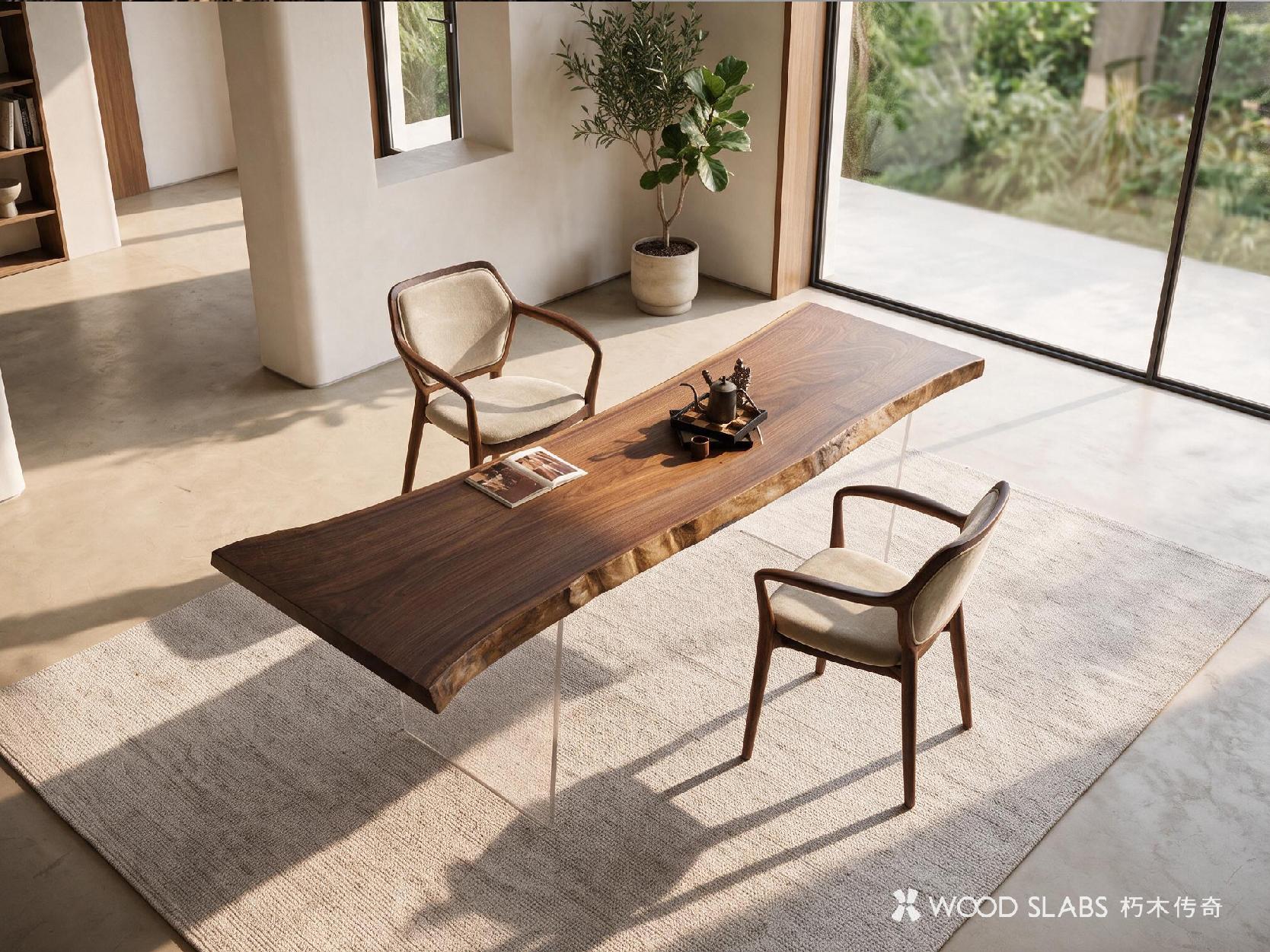
WOOD SLABS | Let the Life of a Tree Continue to Grow
Giving trees a lasting life through sustainable design.
Publish:2026/11/24
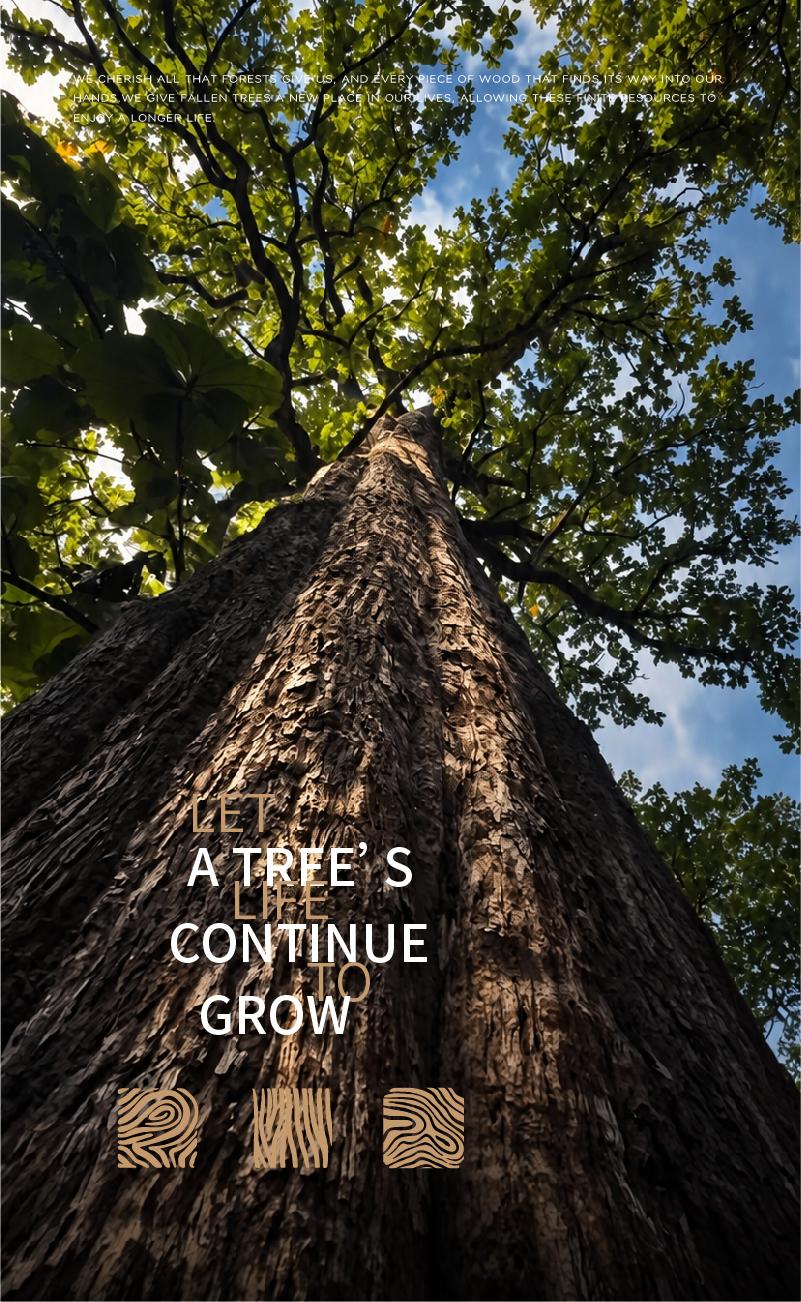
Trees grow old and fall, but they do not have to lose their value.
WOOD SLABS seeks out timber from trees that have completed their natural growth yet still retain the vitality of living material. Through design, we discover new meaning in the wood; through handcraft, we awaken it once more. The cracks, knots, grain and contours left by time are transformed into solid-wood furniture made to accompany people for years to come.
For us, sustainability is not a label added to a product. It is a set of principles that guides every decision—from timber sourcing and design to craftsmanship, material use and product longevity.
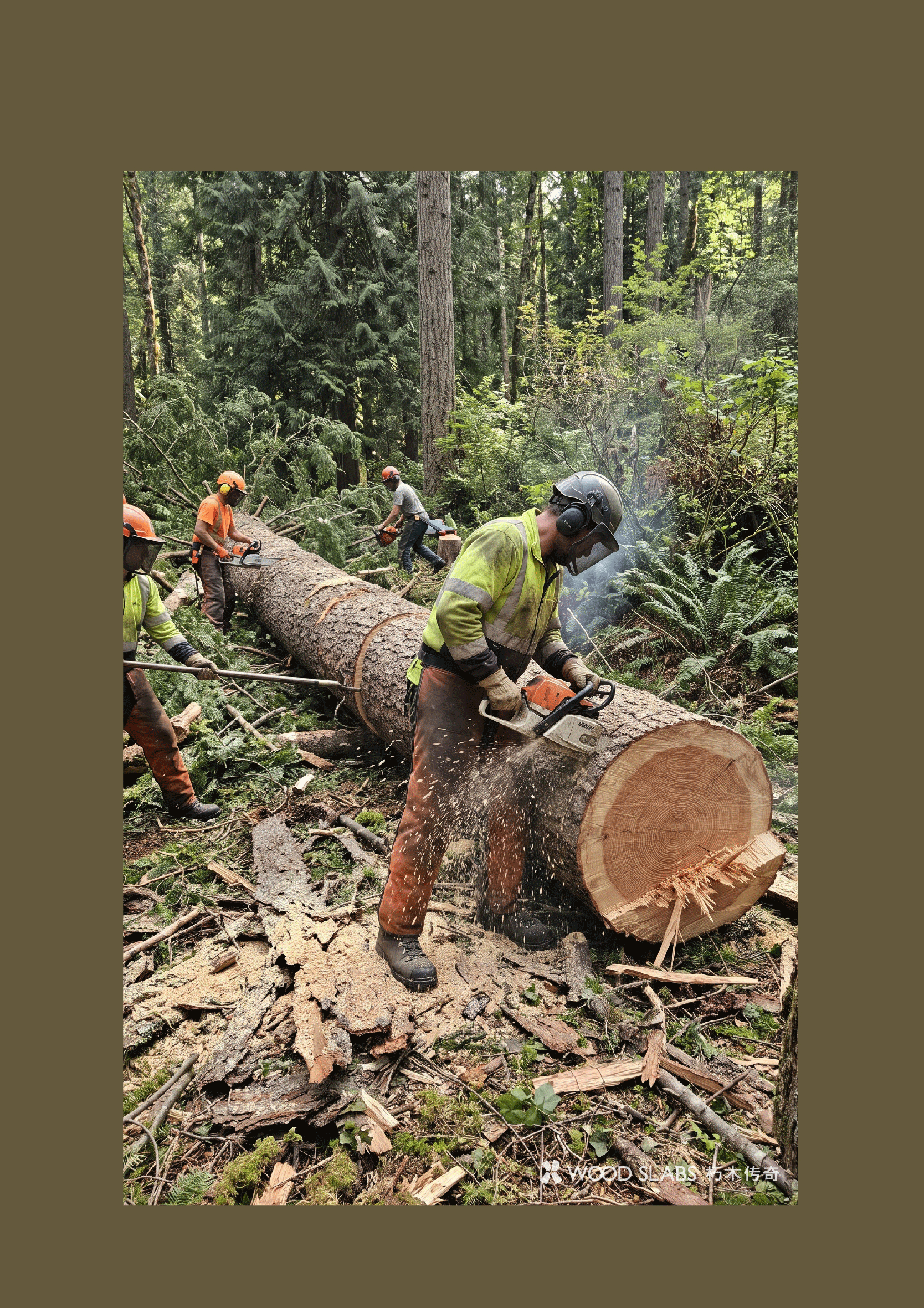
We cherish everything the forest gives us, and every piece of wood that comes into our hands.
We bring fallen trees back into daily life, giving finite materials a longer life.
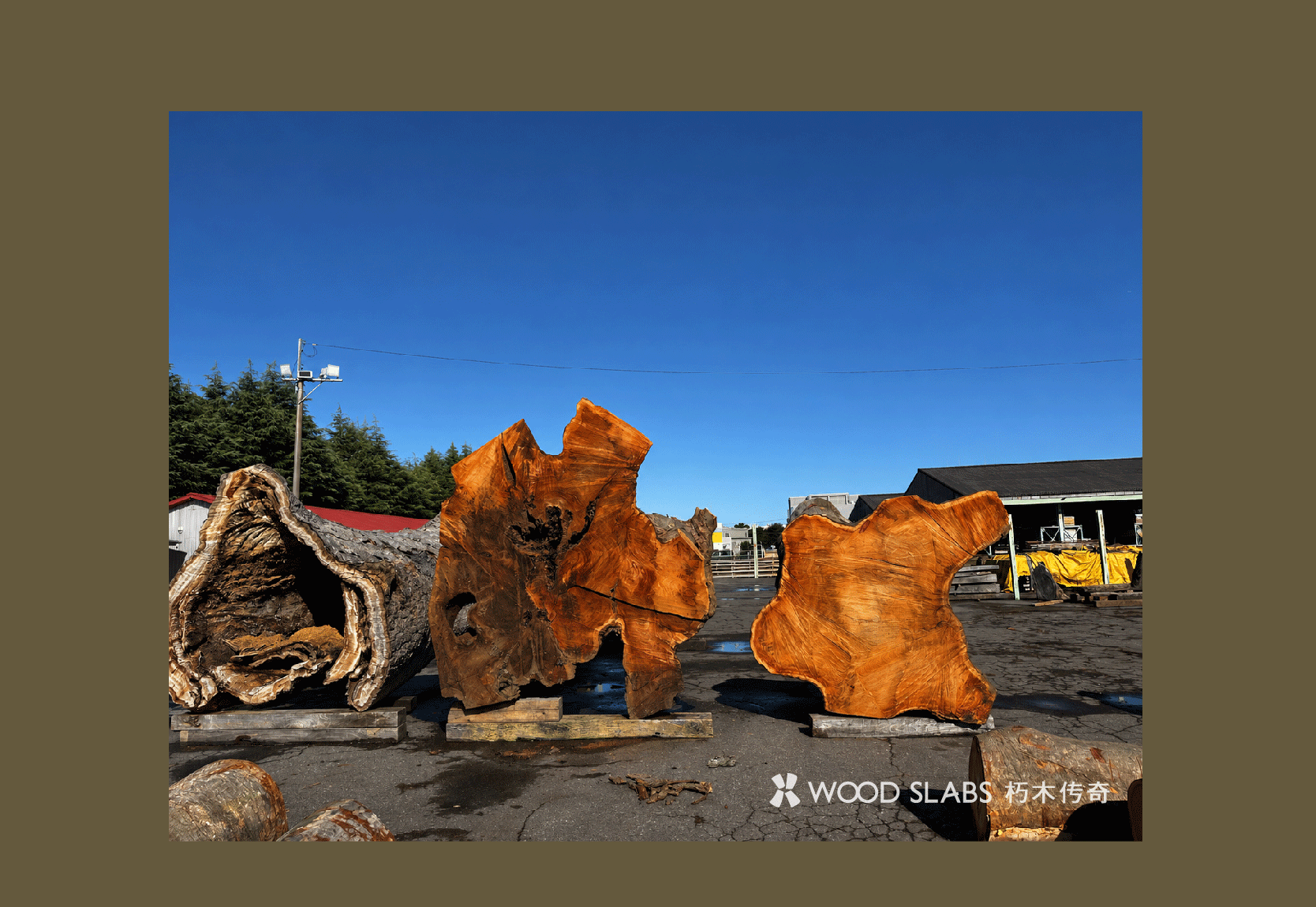
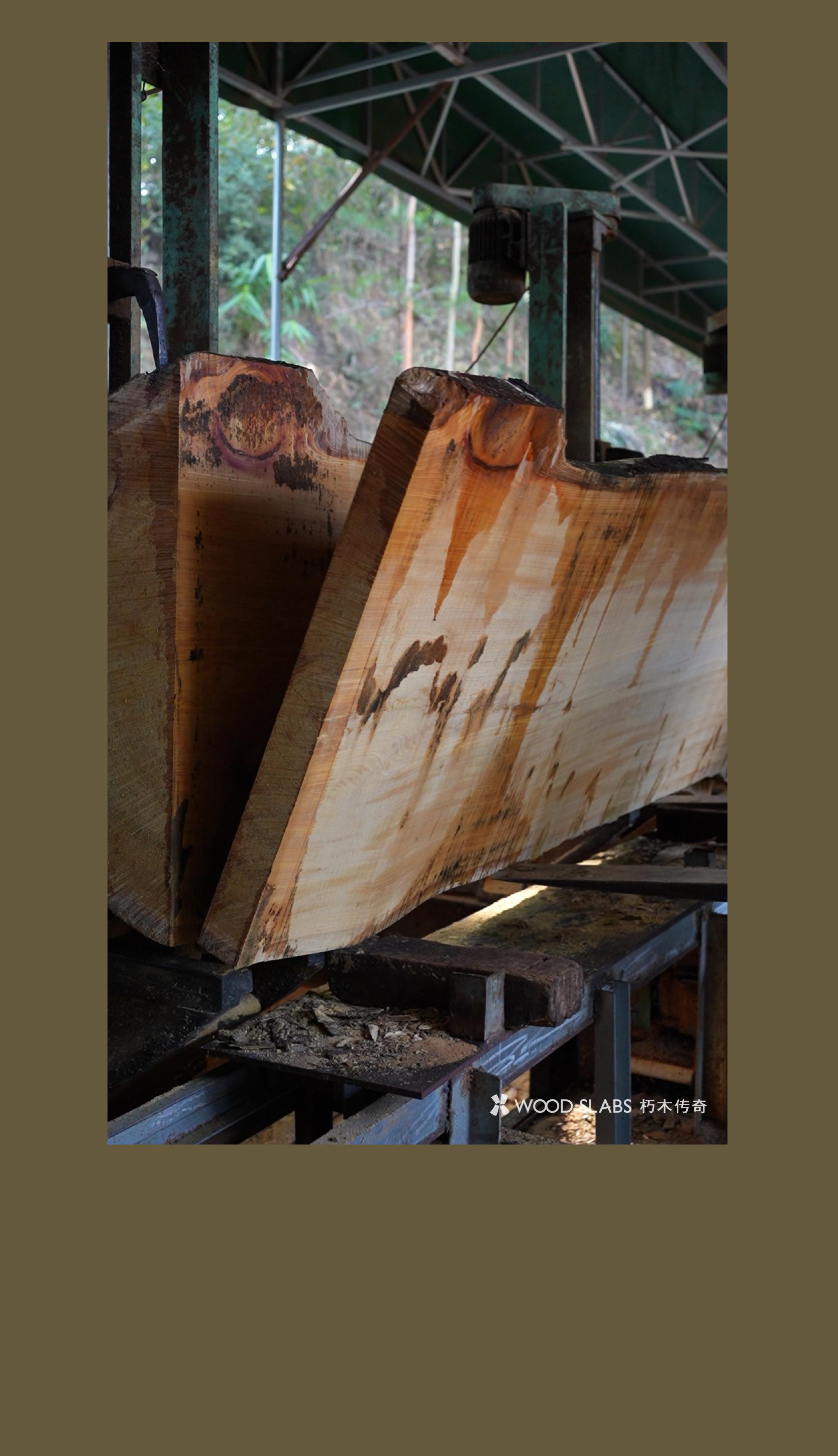

The sustainability of a piece of solid-wood furniture begins with the source of its timber.
WOOD SLABS is committed to choosing timber from responsible sources, prioritizing wood supported by the FSC forest certification system. What FSC advocates is not merely responsible harvesting, but long-term care for forest ecosystems, natural regeneration, biodiversity, and the rights and well-being of workers and local communities.
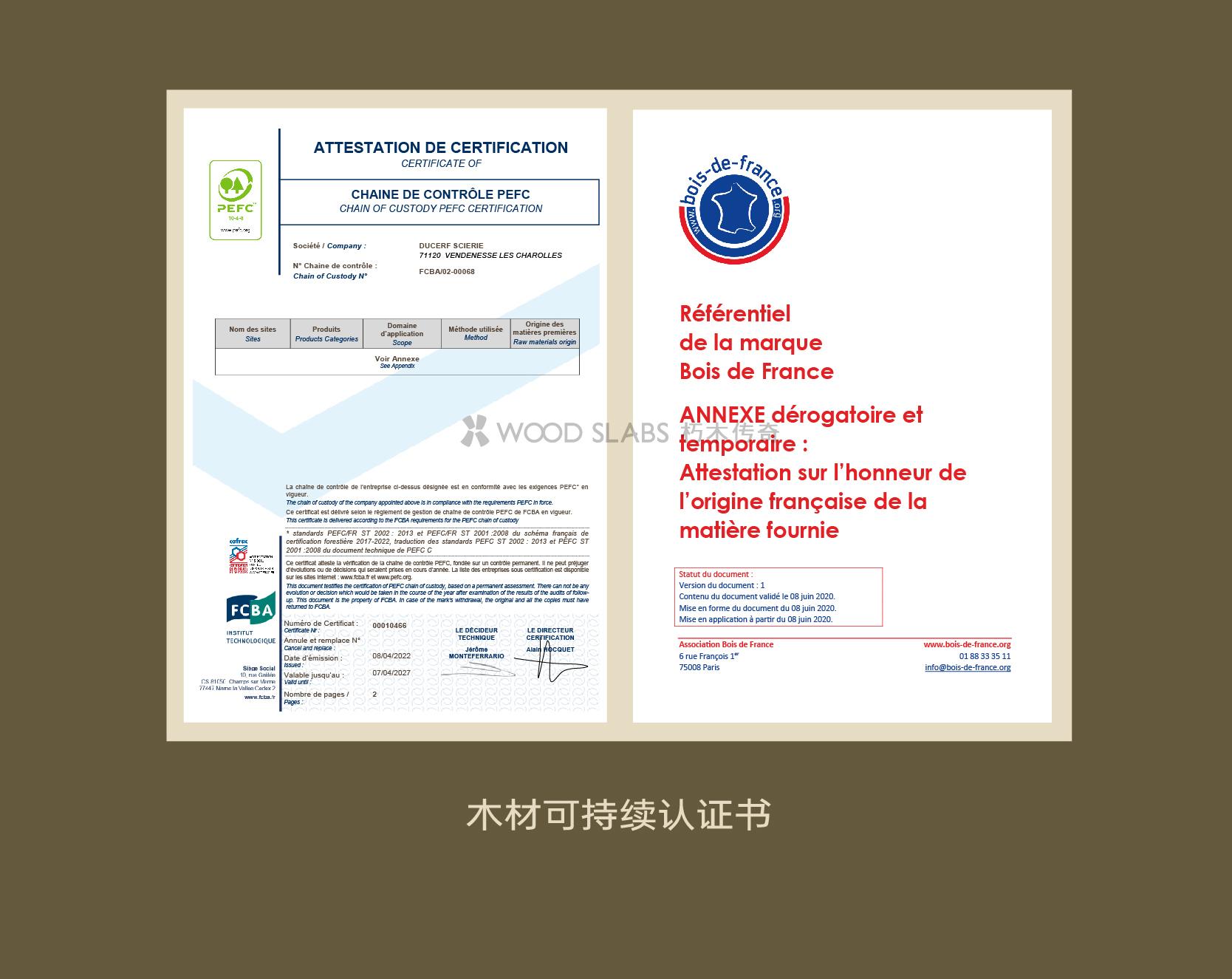
We do not support unregulated harvesting that exceeds nature’s capacity. Every choice of material should be based on the premise that forests can recover and ecosystems can continue to thrive.
A forest is not an inexhaustible storehouse of materials, but a living system that continuously grows and depends on the relationships within it. Only by respecting the forest’s own rhythms of growth can the use of timber truly serve the future.
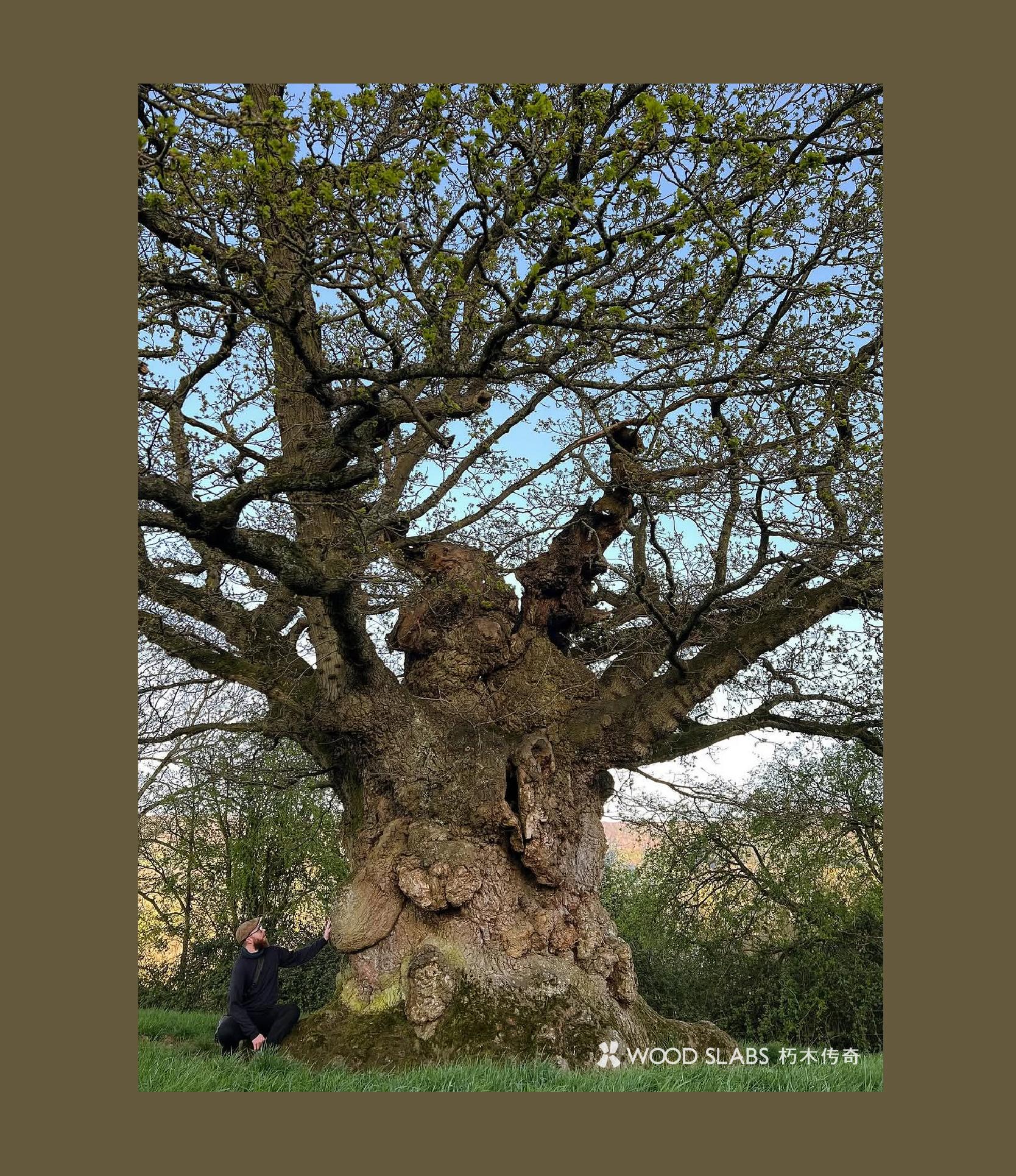
We use wood, and we also protect the places where wood can grow.
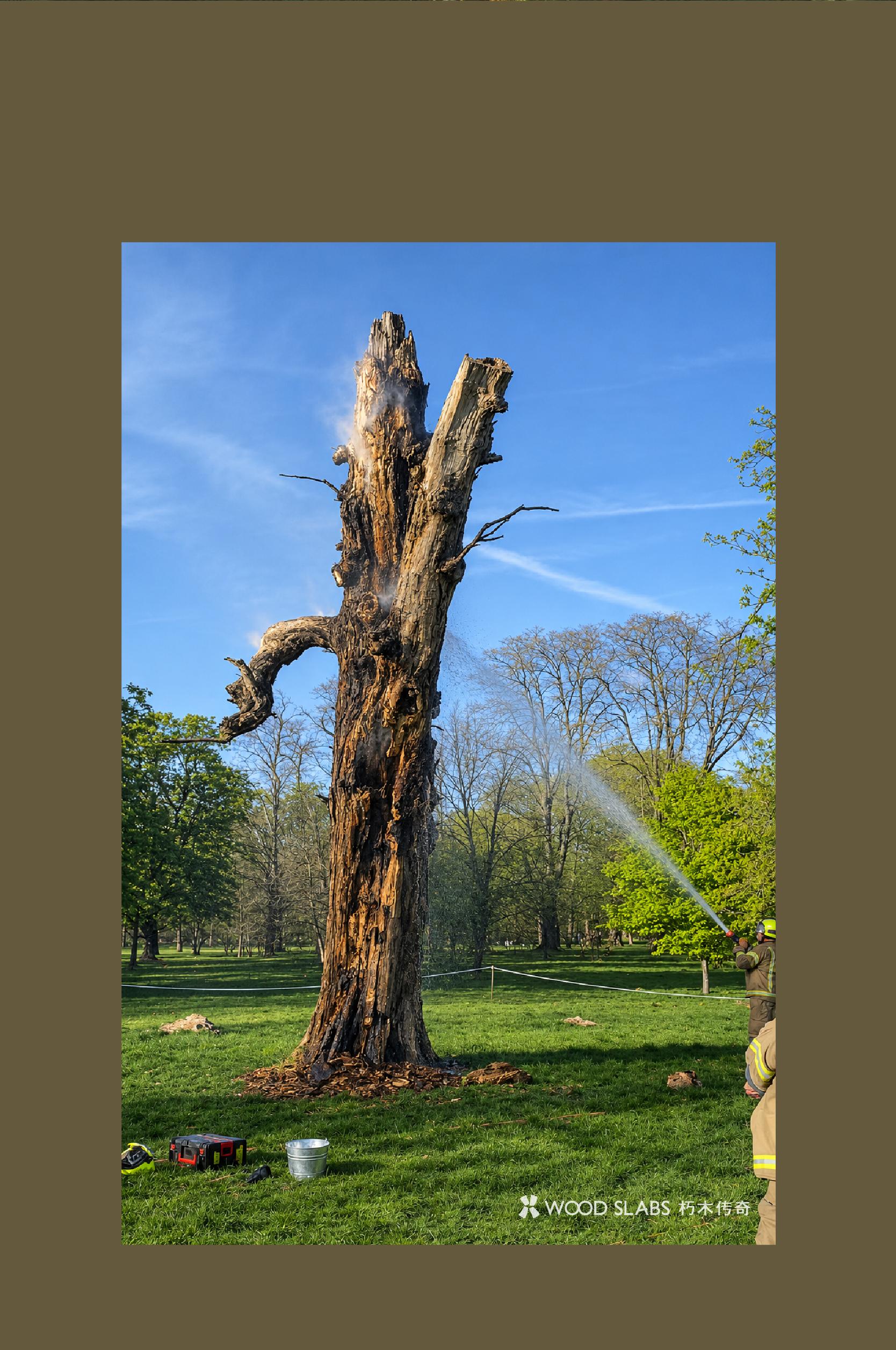
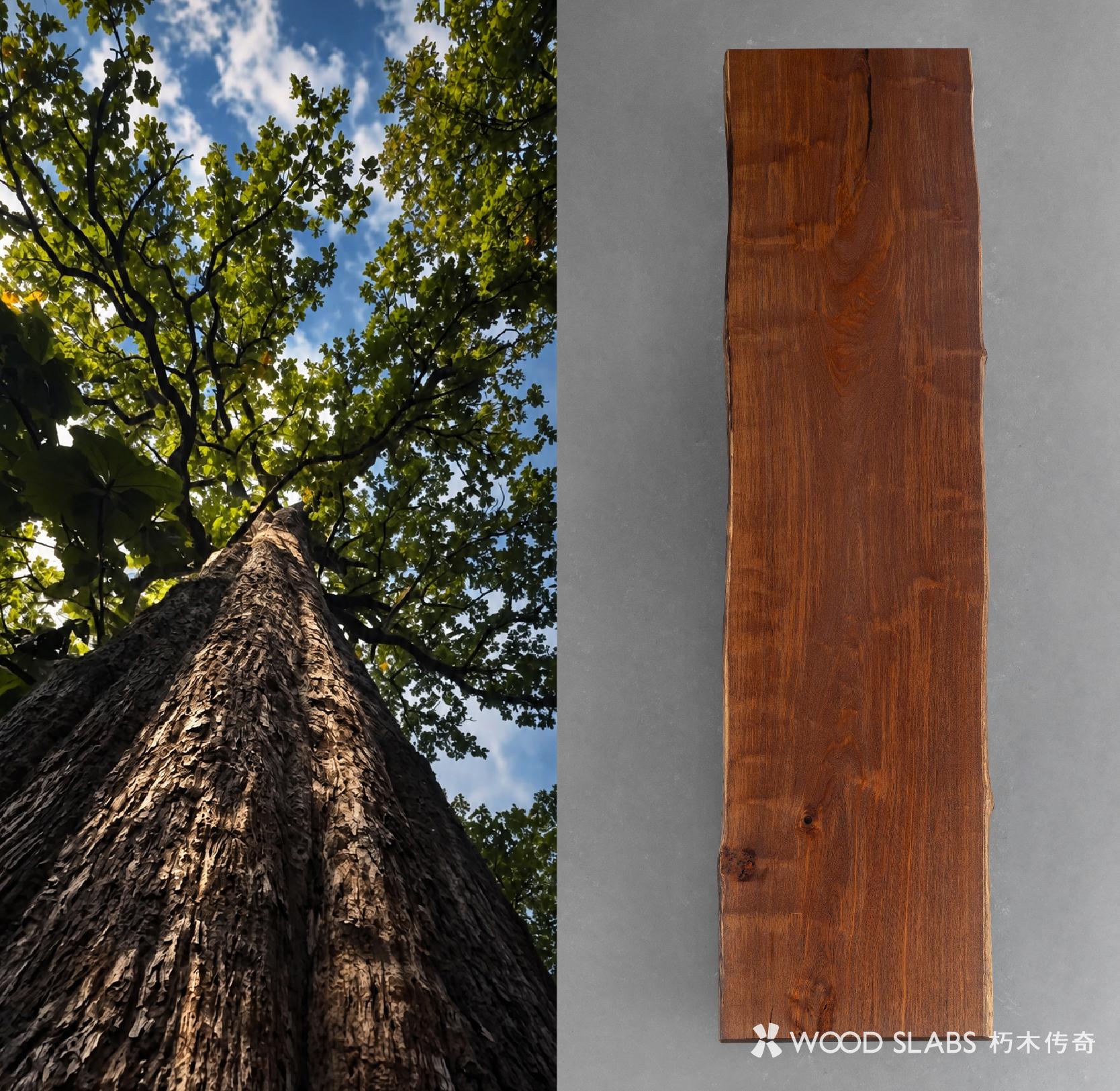
In nature, a tree grows, matures and ages before eventually falling because of time, climate or environmental conditions.
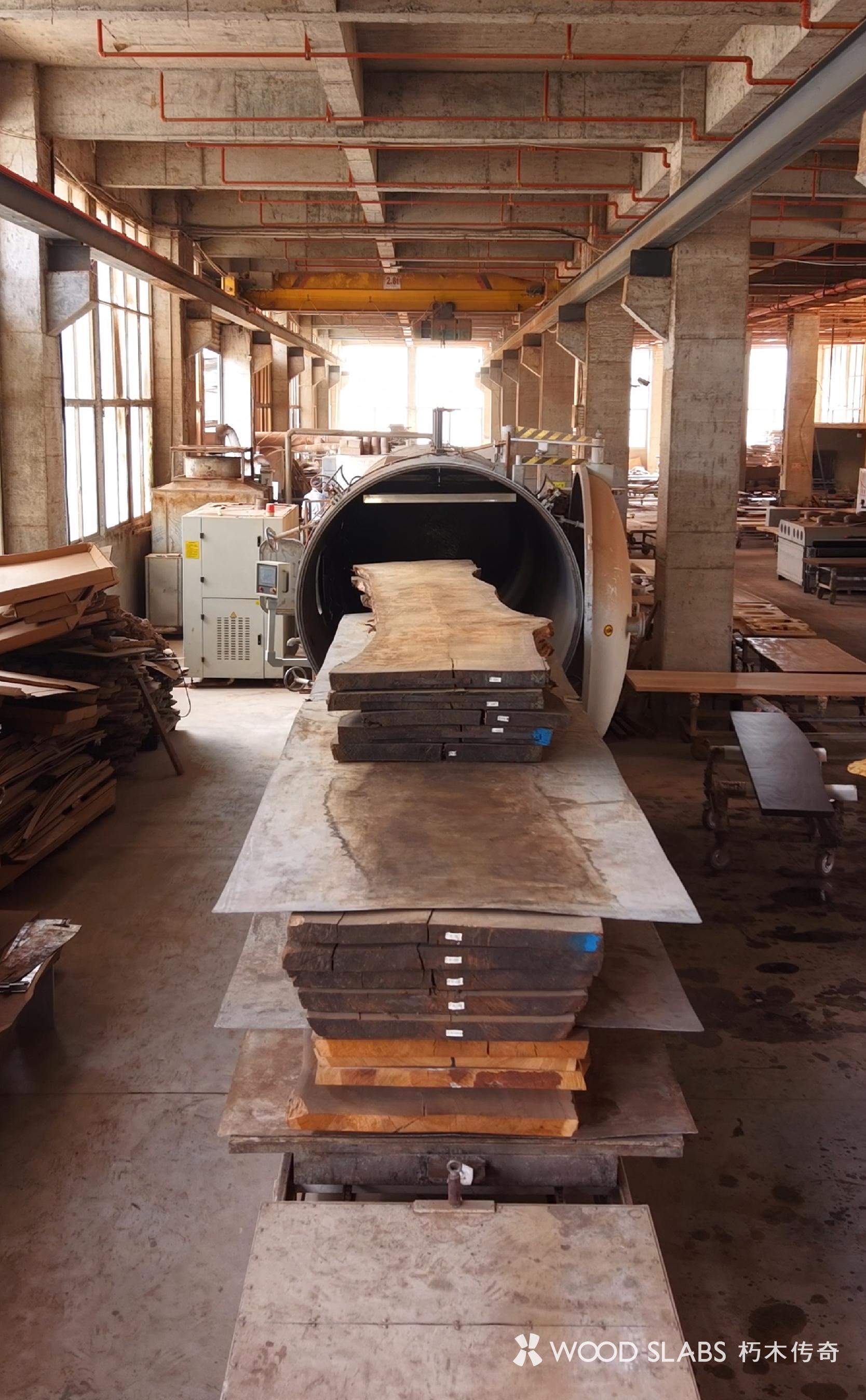
WOOD SLABS focuses on timber from trees that have completed their natural life cycle. We collect, select and prepare the wood, then dry, stabilize, refine and design it so that material that might otherwise be discarded, burned or consumed can re-enter people’s lives.
We do not deliberately erase the passage of time from wood. Fissures, insect holes, knots, weathering and irregular edges are not merely “defects”; they are evidence of how a tree once grew. Design is not about making every piece of wood look the same. It is about finding the most fitting expression for each piece while respecting its original form. In this way, wood becomes more than a raw material: it becomes a preserved chapter of natural history.


We do not invent stories for wood; we allow its own story to continue.
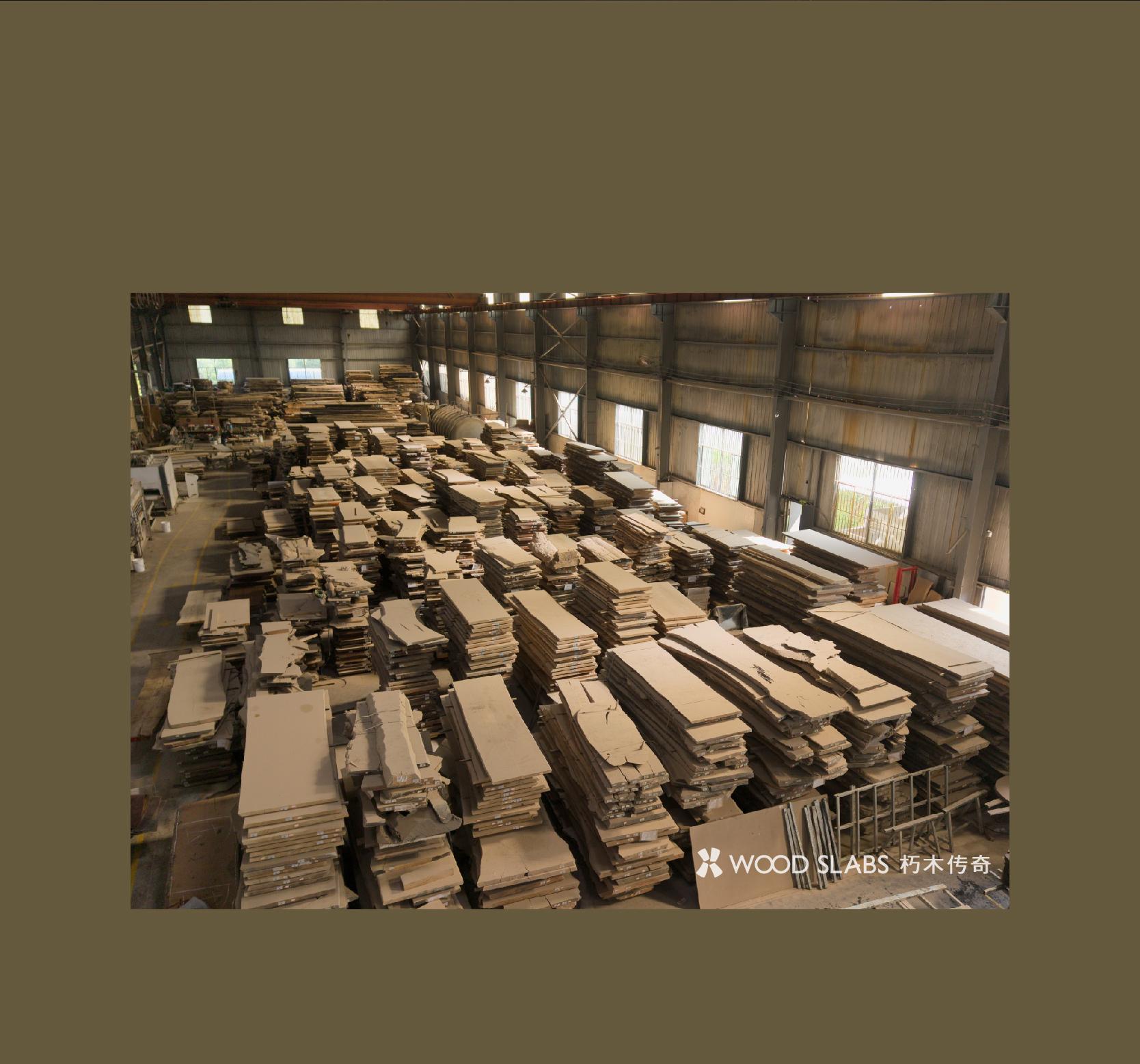
True environmental responsibility begins before timber enters the workshop and continues through every step of furniture making.
From drying, structural treatment and fissure repair to sanding, finishing and final delivery, WOOD SLABS continually reviews the materials and processes we use, seeking to minimize their impact on the environment and human health.
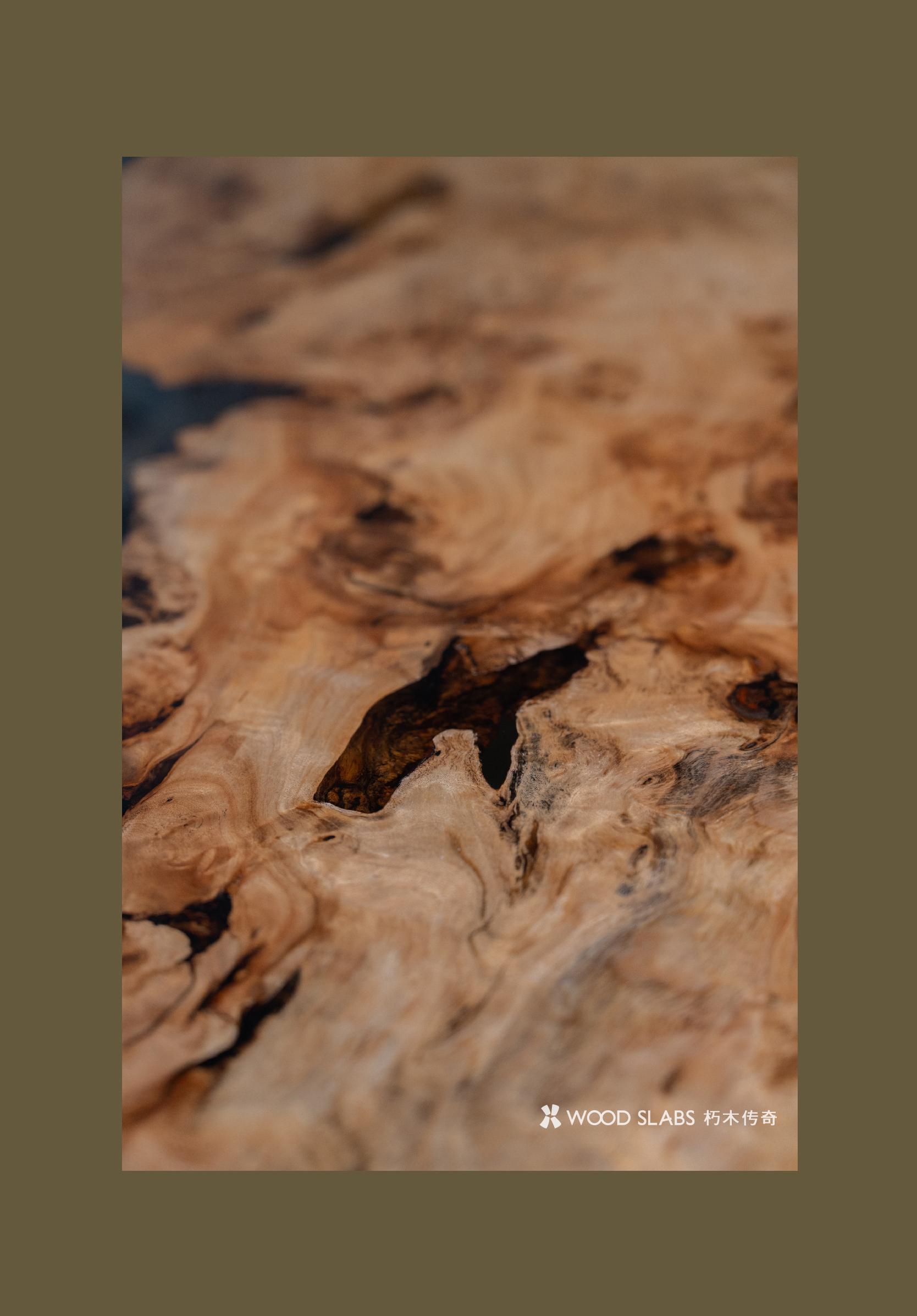
Depending on the structural and functional requirements of each piece, we use epoxy resin that has passed safety and environmental testing with care when creating crystal-resin slab tables. We limit both where it is used and the amount required while achieving the necessary strength and durability.
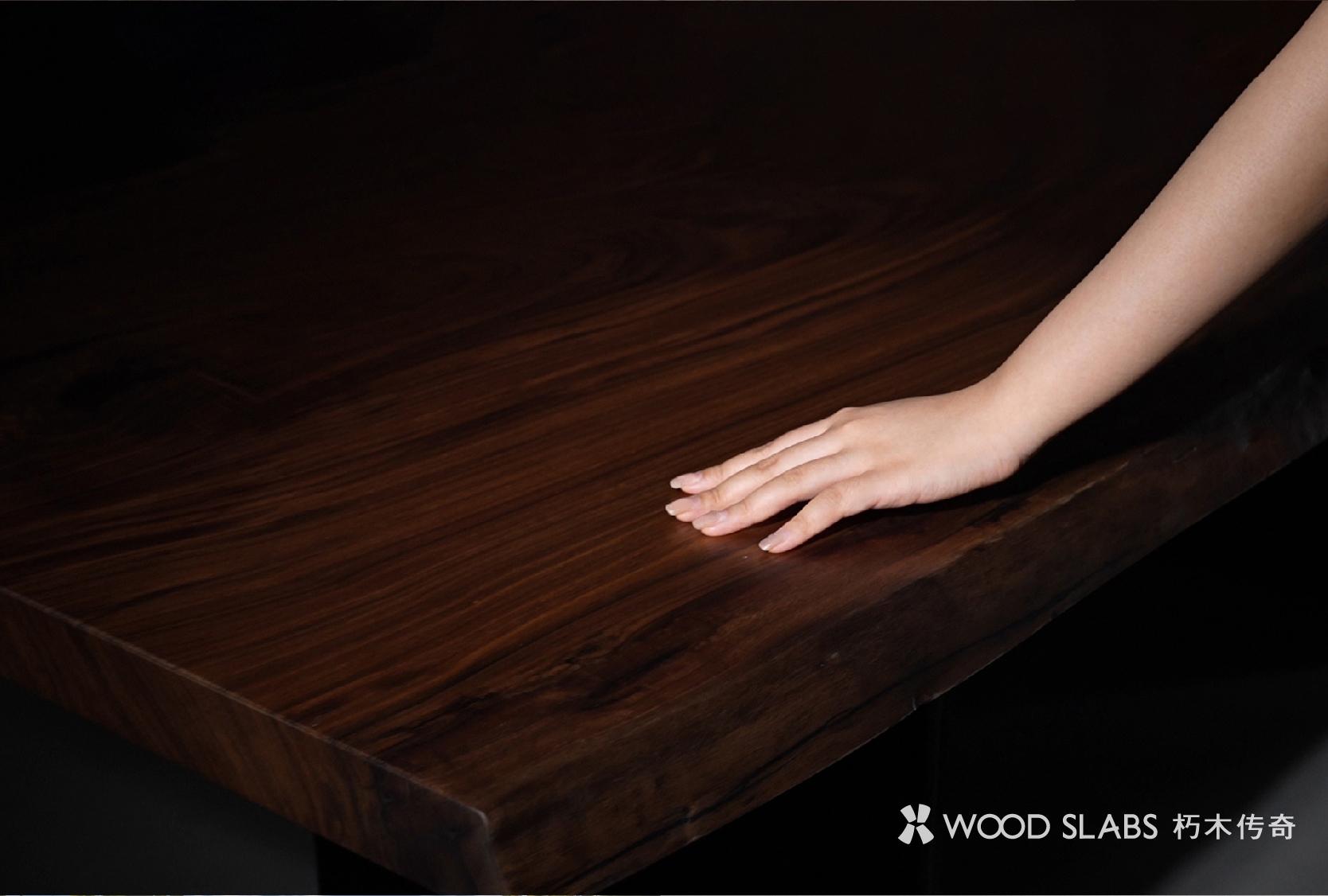
For surface finishing, we prioritize German SAICOS plant-based hardwax oil and water-based coating systems—materials chosen with health and environmental performance in mind. They preserve the wood’s natural texture and tactile qualities while reducing unnecessary environmental impact.
We pursue more than beauty at the moment a piece is completed. We want people to be able to touch, use and live with it at home with confidence. What can be seen is the wood’s natural character; what remains unseen is the restraint we exercise at every stage of production.
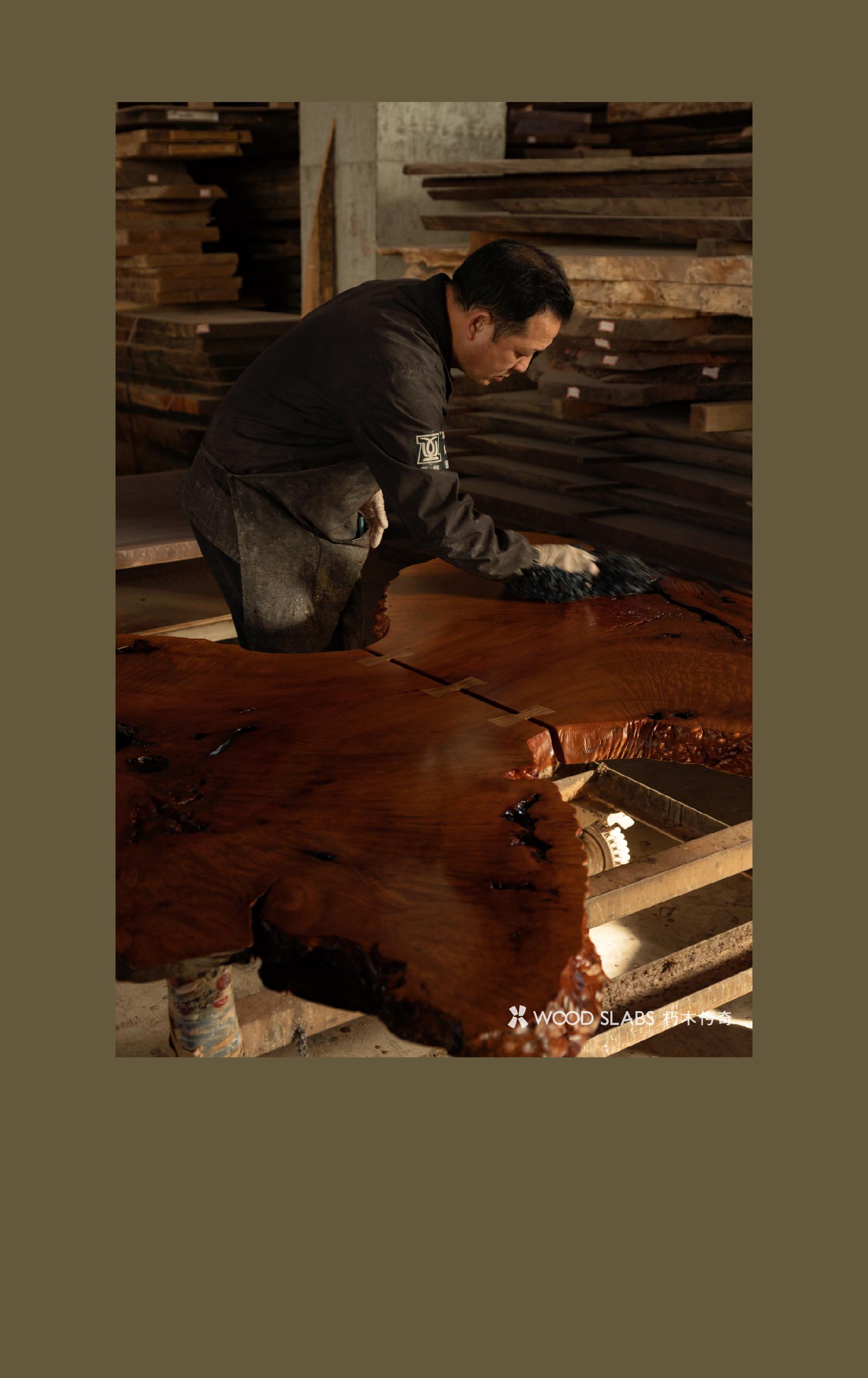
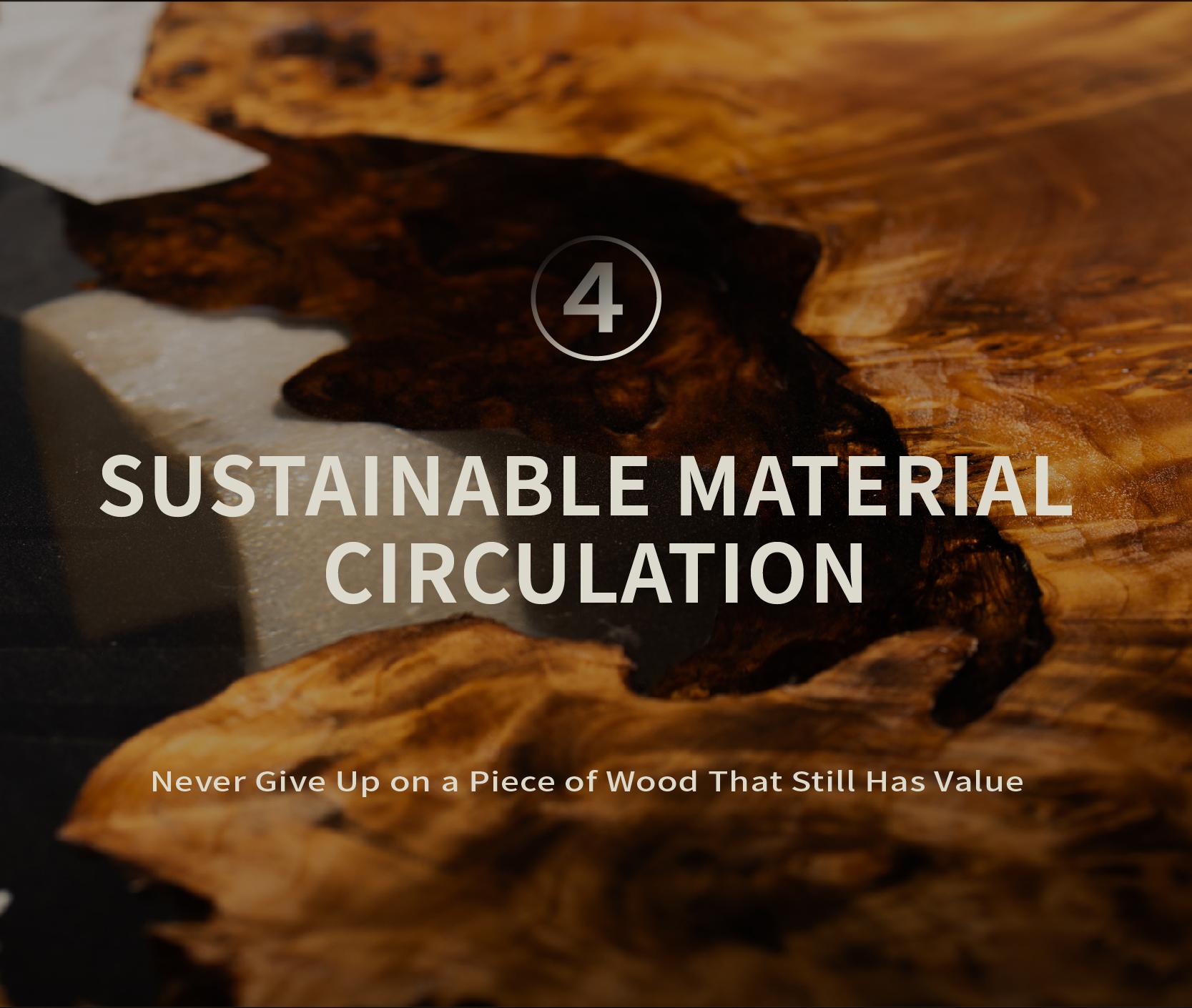
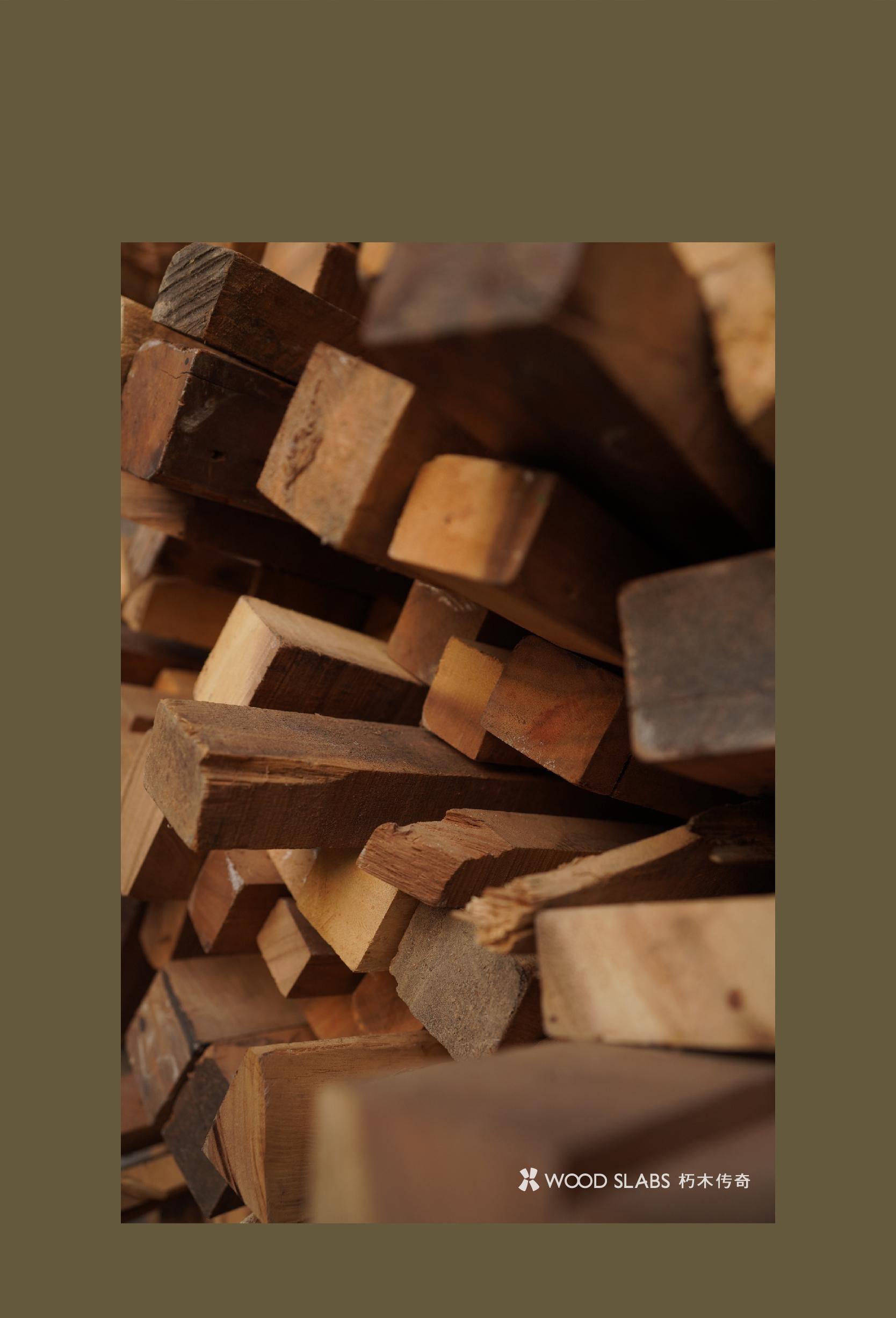
Offcuts are an inevitable part of making solid-wood furniture, but becoming smaller does not mean losing value.
At WOOD SLABS, we reconsider every remnant left by the production process. Its shape may no longer suit a tabletop, but it still retains a distinctive color, grain and tactile quality.
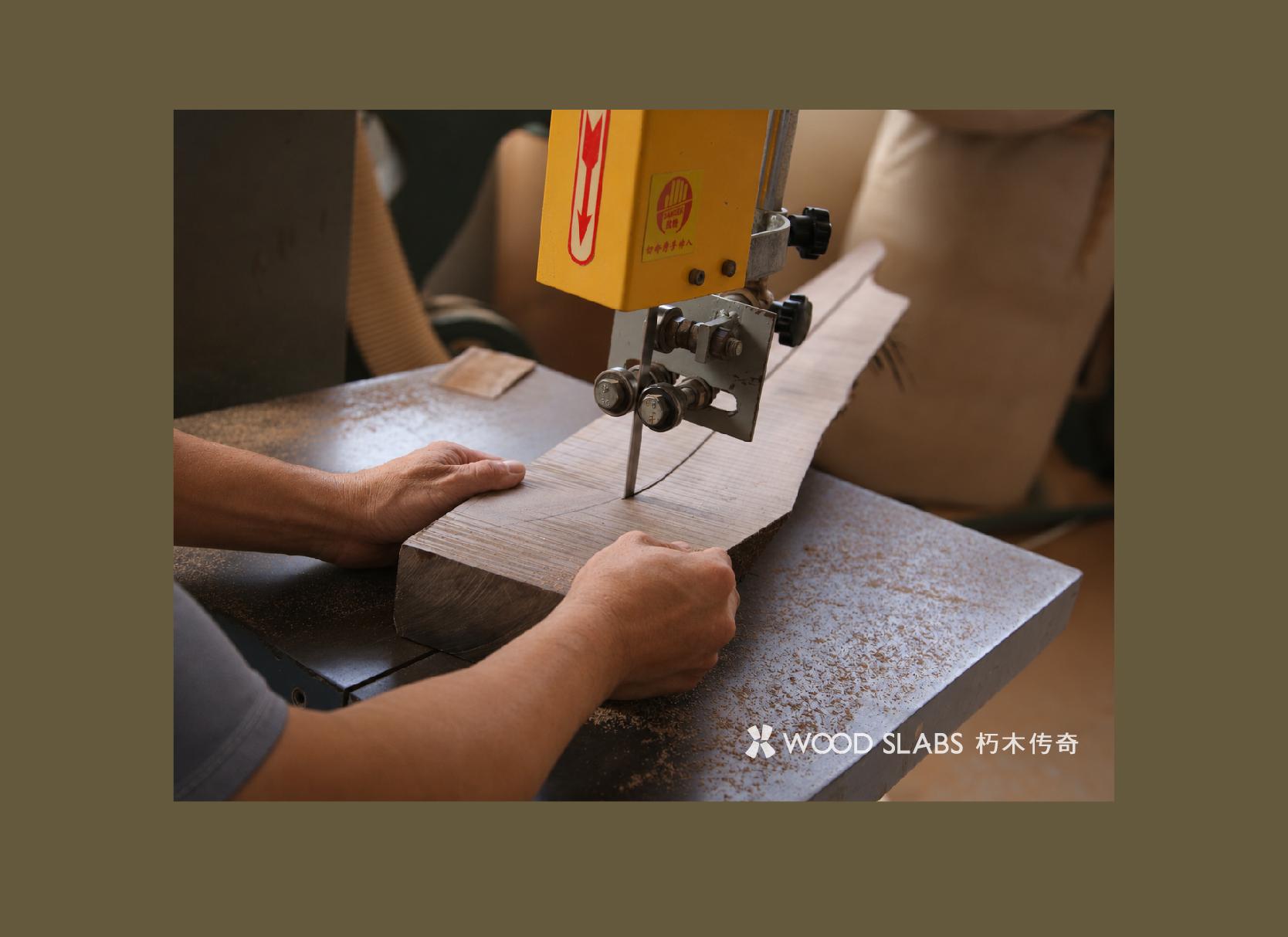
We sort the wood by size, species, grain and form, then find new ways to bring it back into our work. Larger remnants can become structural components or details in furniture. Smaller pieces in different tones can be recombined as rhythmic “patches” in the Mondrian Collection. The smallest fragments can become fields of color and graphic forms in wood-collage artworks.
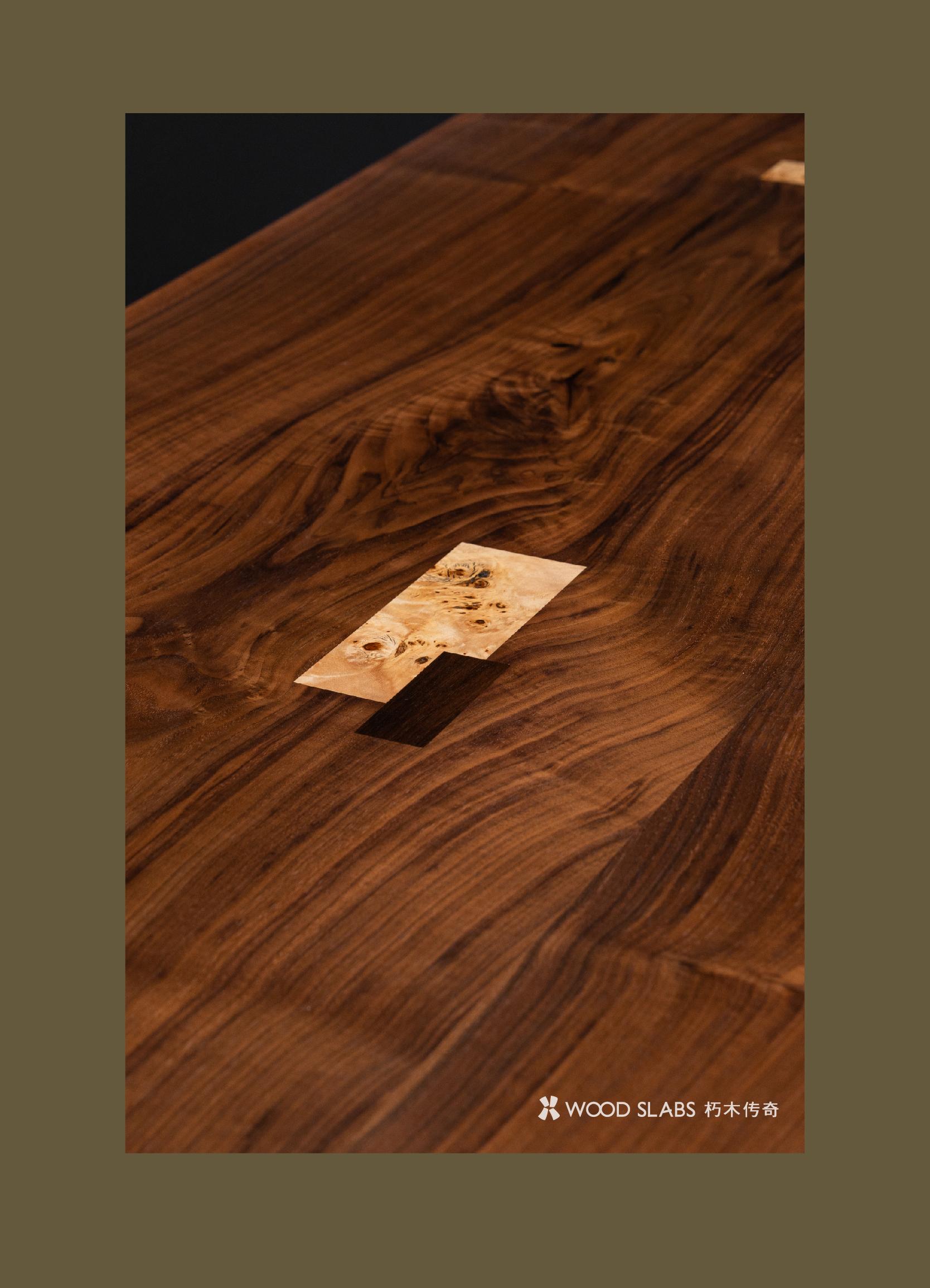
These works do not conceal waste; they rediscover the value of the material. Through design and handcraft, what was once considered leftover gains a new function and aesthetic meaning, while also forming an artistic language unique to WOOD SLABS.
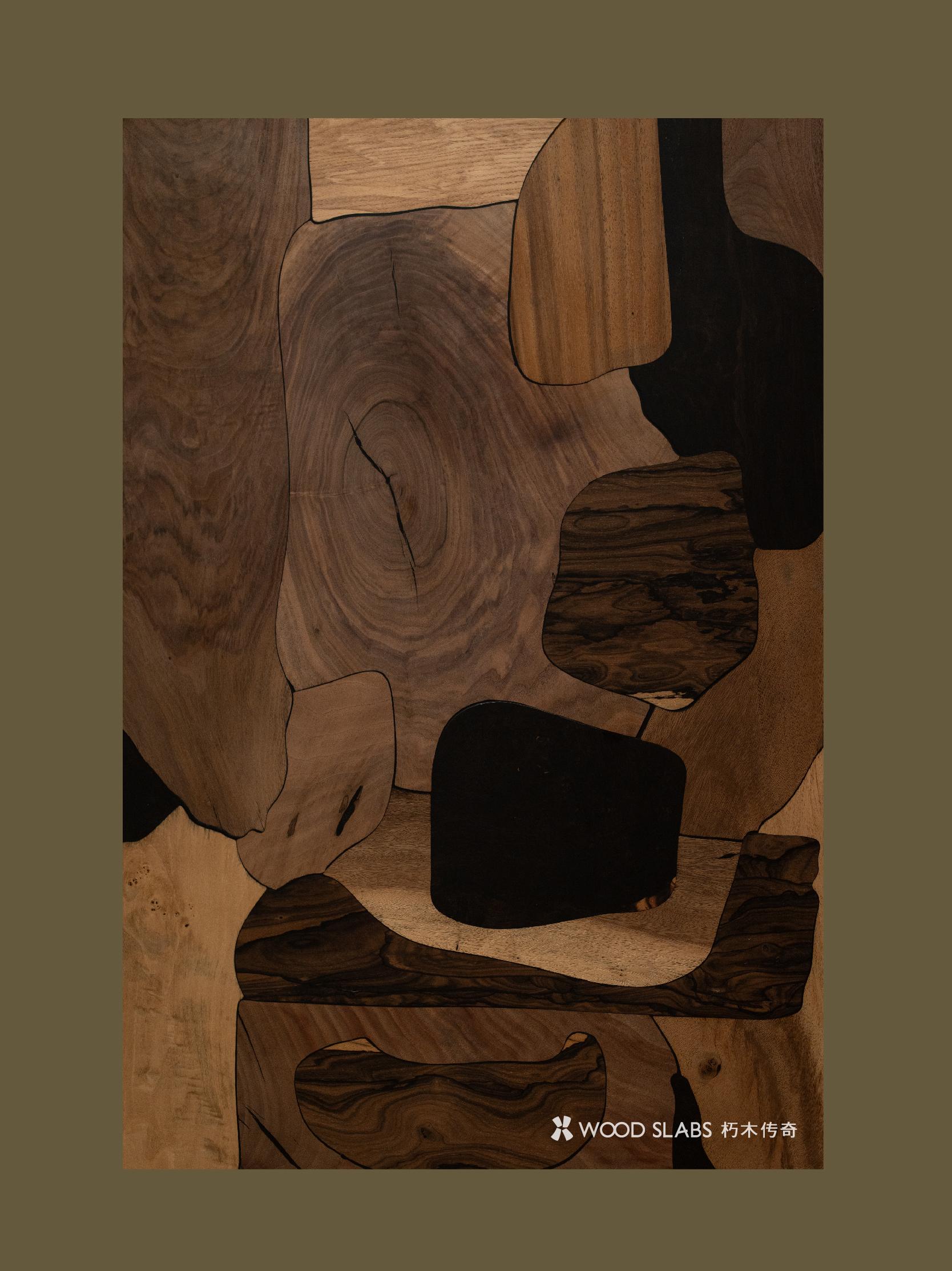
Wood has no true offcuts—only places yet to be discovered.
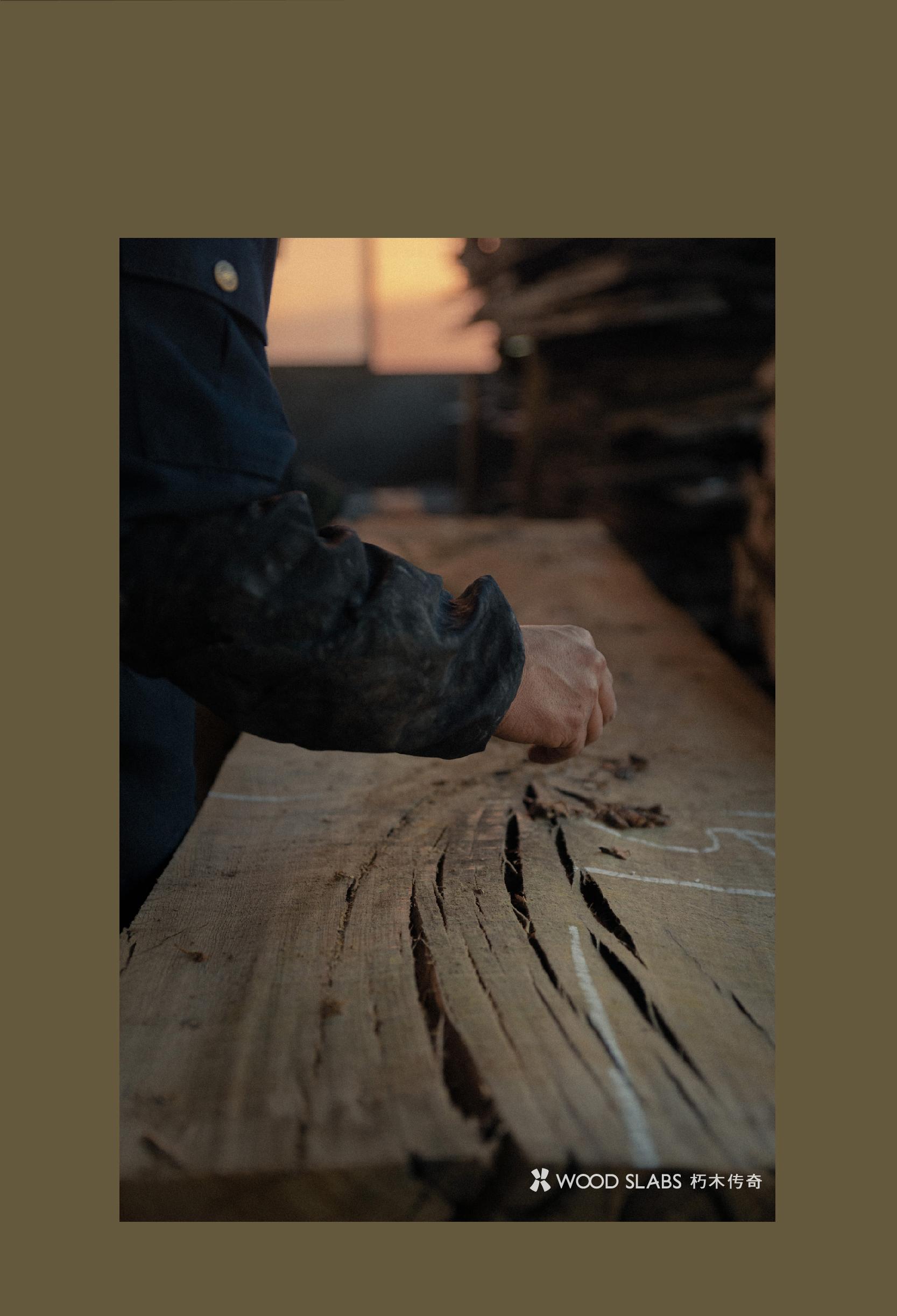
Sustainability is not only about where a material comes from, but also about how long a product can be used.
Compared with patterns of rapid production and replacement, solid-wood furniture has a much longer service life. Strong materials, stable structures and surfaces that can be maintained and repaired allow furniture to remain in use over time instead of being discarded when a passing trend fades.
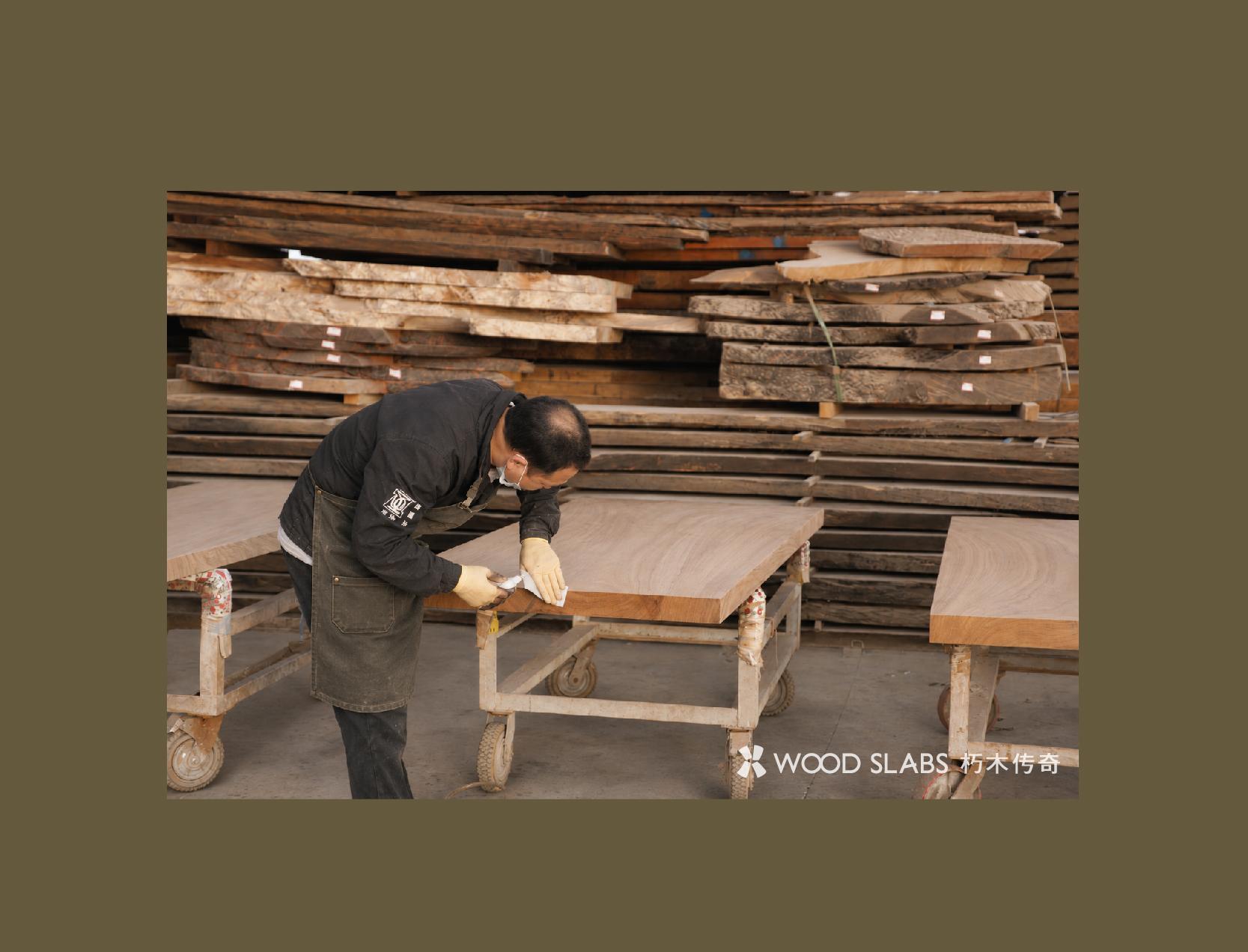
WOOD SLABS respects the natural changes in wood. With exposure to light, air, touch and use, its color and texture may gradually evolve. This is not a decline in the life of the product, but a record of the life shared by people and furniture.
We hope to create objects that belong not just to a single season, but to the home and to everyday life—lasting pieces that can be maintained, repaired and restored when needed.
When a piece of furniture continues to be used, cherished and even passed from one generation to the next, it reduces the need for repeated production and consumption.
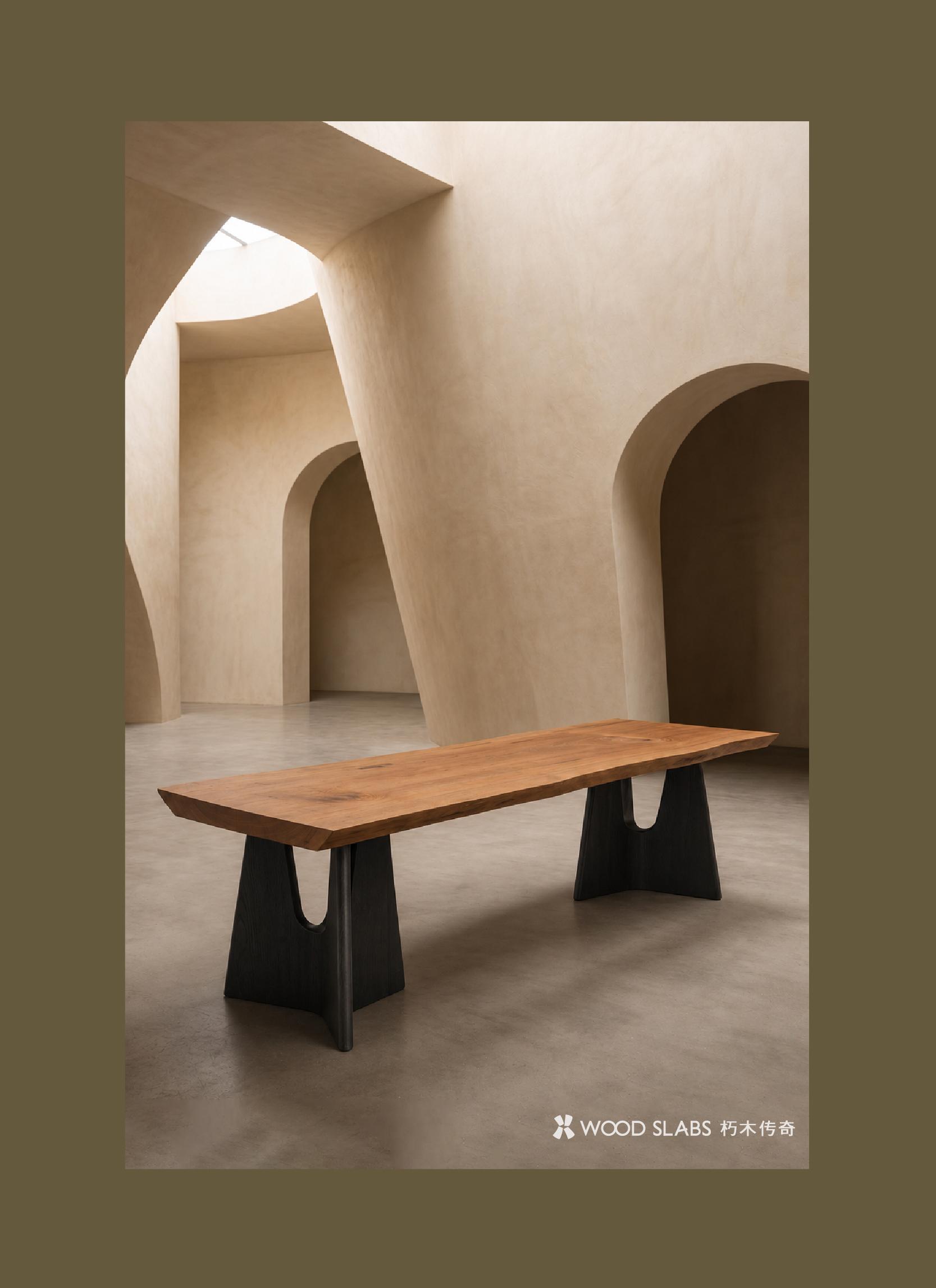
The least wasteful choice is to use a well-made piece of furniture for a very long time.
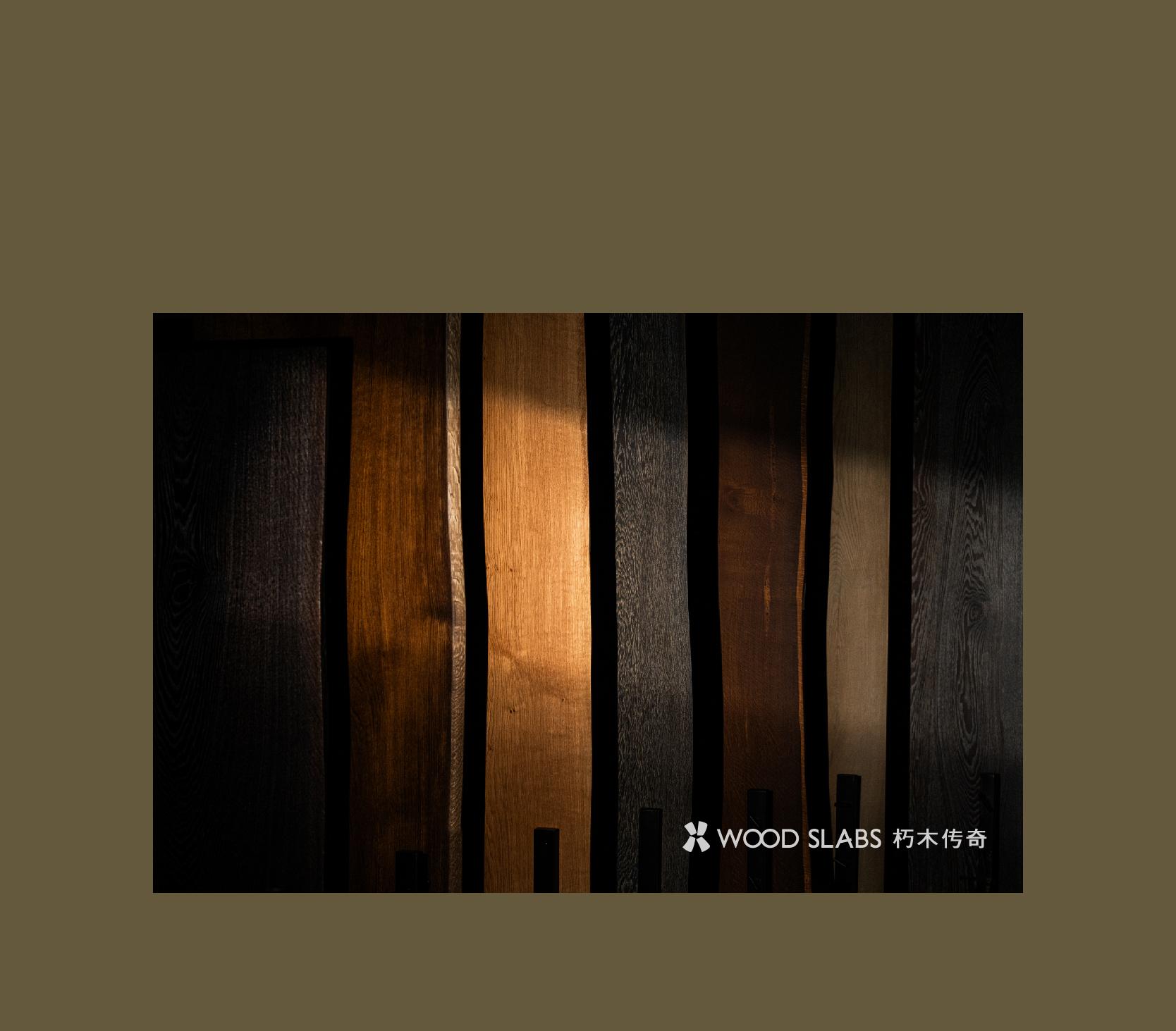
The value of wood must be understood by people. Every log has a different moisture content, density, grain direction and natural form. Machines can process non-standardized materials, but they cannot replace human observation and judgment of the wood’s character.
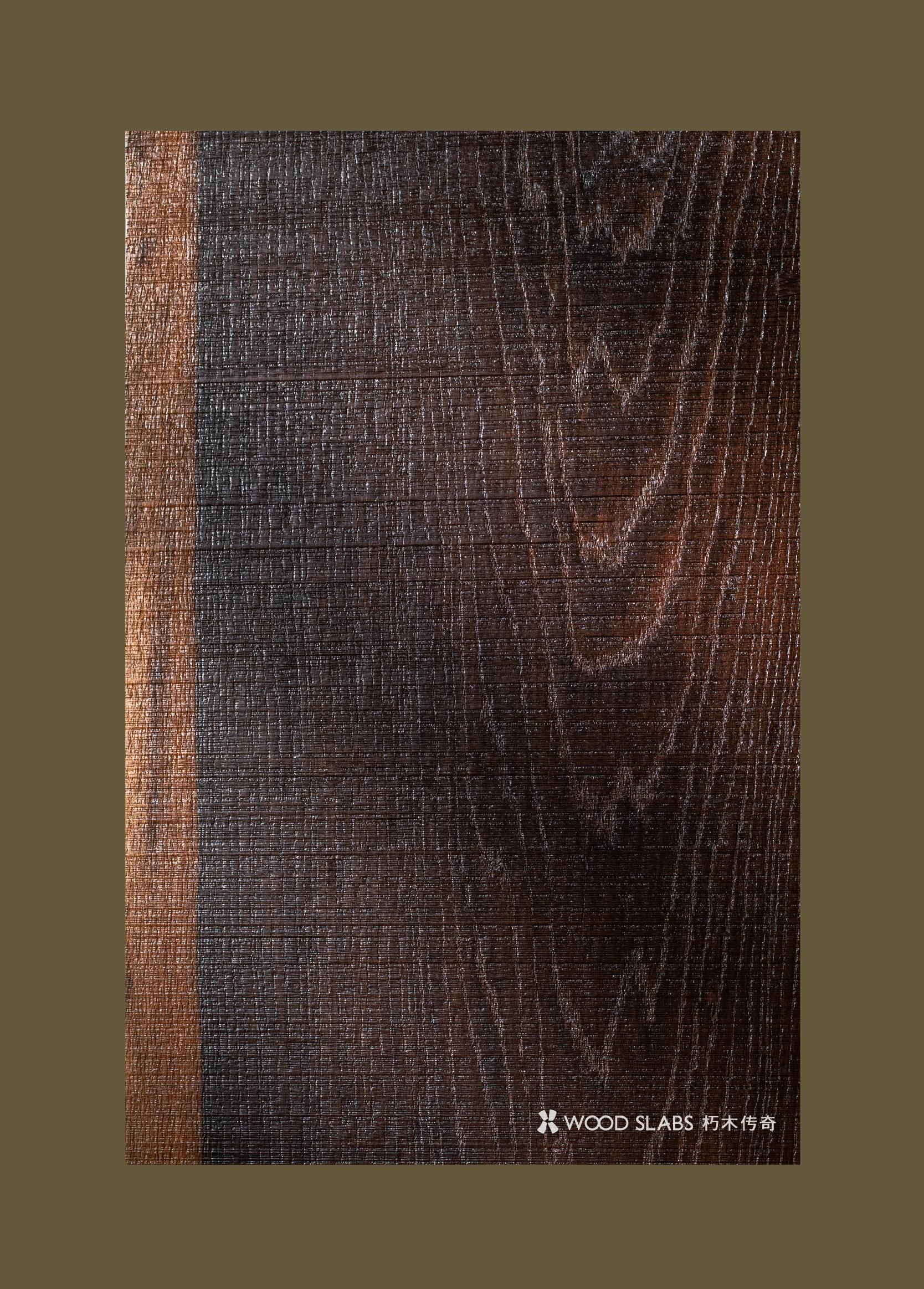
From selecting and cutting timber to drying, structural design, fissure treatment, sanding and finishing, the completion of a solid-wood piece depends on experience built over many years by designers and craftspeople. WOOD SLABS treasures this knowledge, which cannot be replicated quickly. We preserve a place for human judgment in our work and, through continuous practice, allow knowledge of wood to accumulate and be passed on.
For us, sustaining people is just as important as sustaining materials. Only by respecting labor, expertise and the process through which people and materials work together can traditional craftsmanship continue to grow in contemporary life.
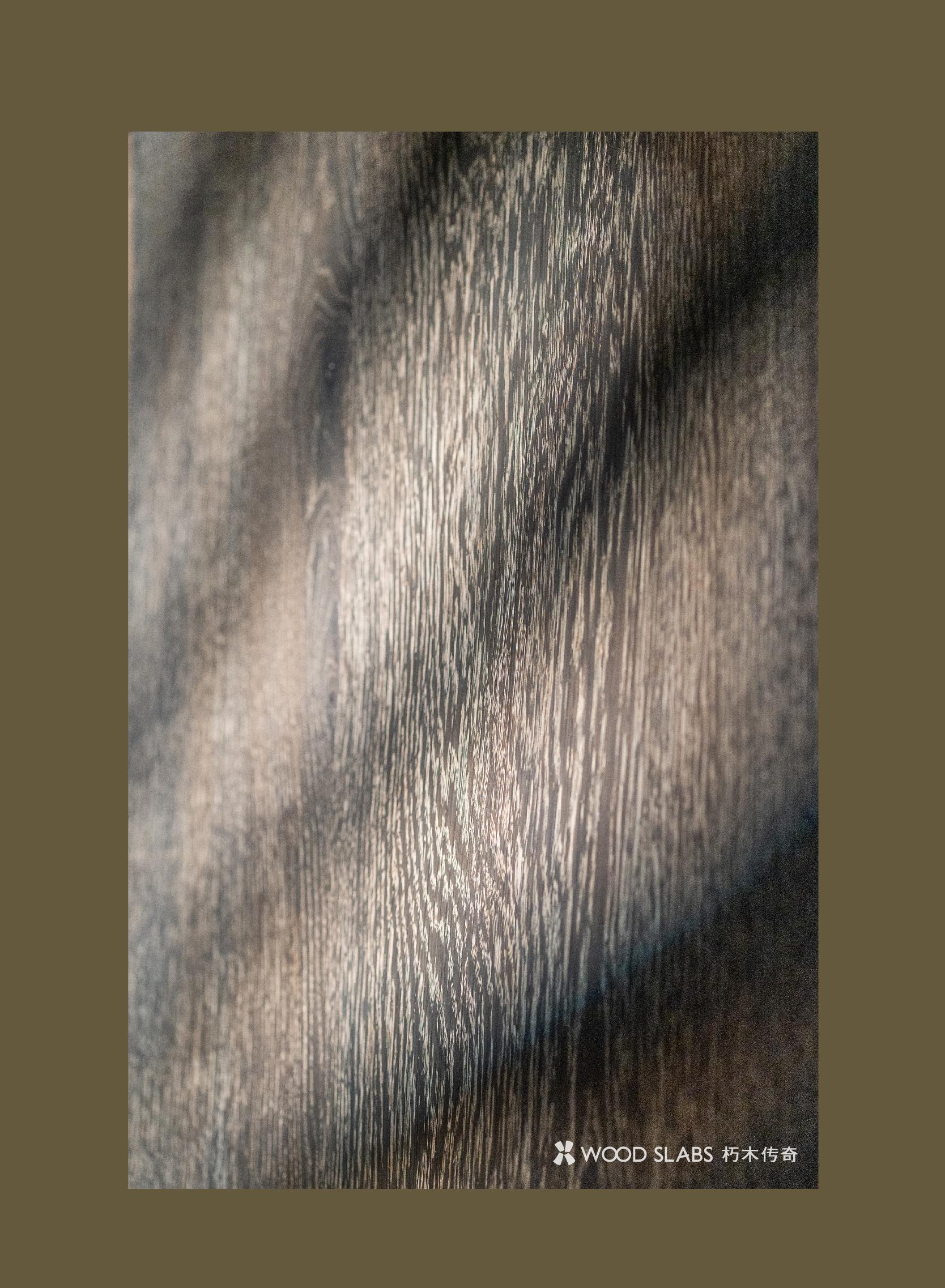
Wood carries forward the life of nature; craftsmanship carries forward the wisdom of living and working with materials.
Our Sustainability Actions
We continue to put the following actions into practice:
Responsible Timber Sourcing
We prioritize wood from traceable sources that align with FSC forest management principles, while continuously improving the documentation and management of wood origins and relevant certifications.
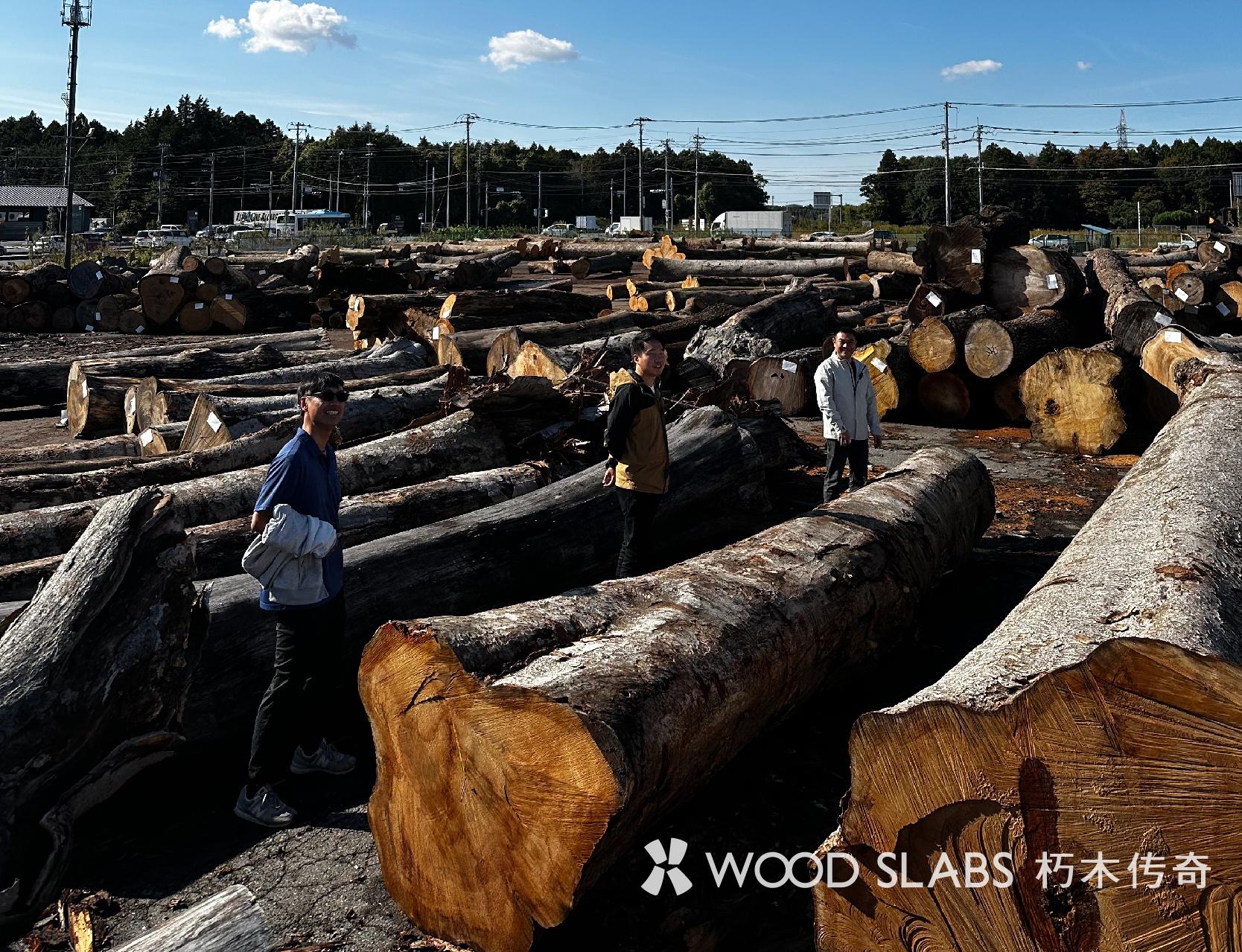
Reusing Fallen and Existing Timber
Collect fallen and existing timber with reuse potential and professionally process it into durable furniture material.
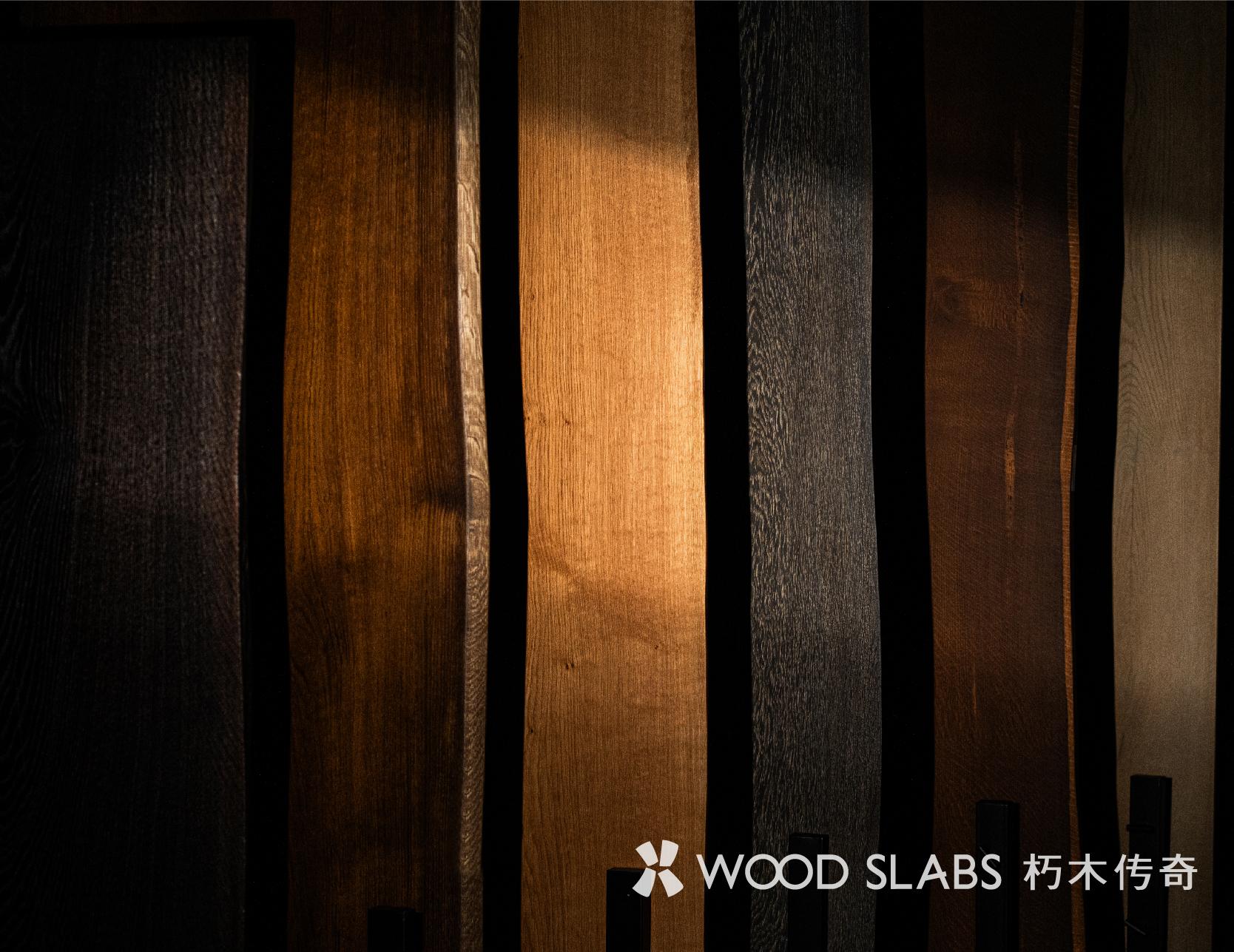
More Considered Use of Materials
We carefully control the use of epoxy resin according to structural needs, while exploring alternatives that balance stability, durability, and environmental responsibility.
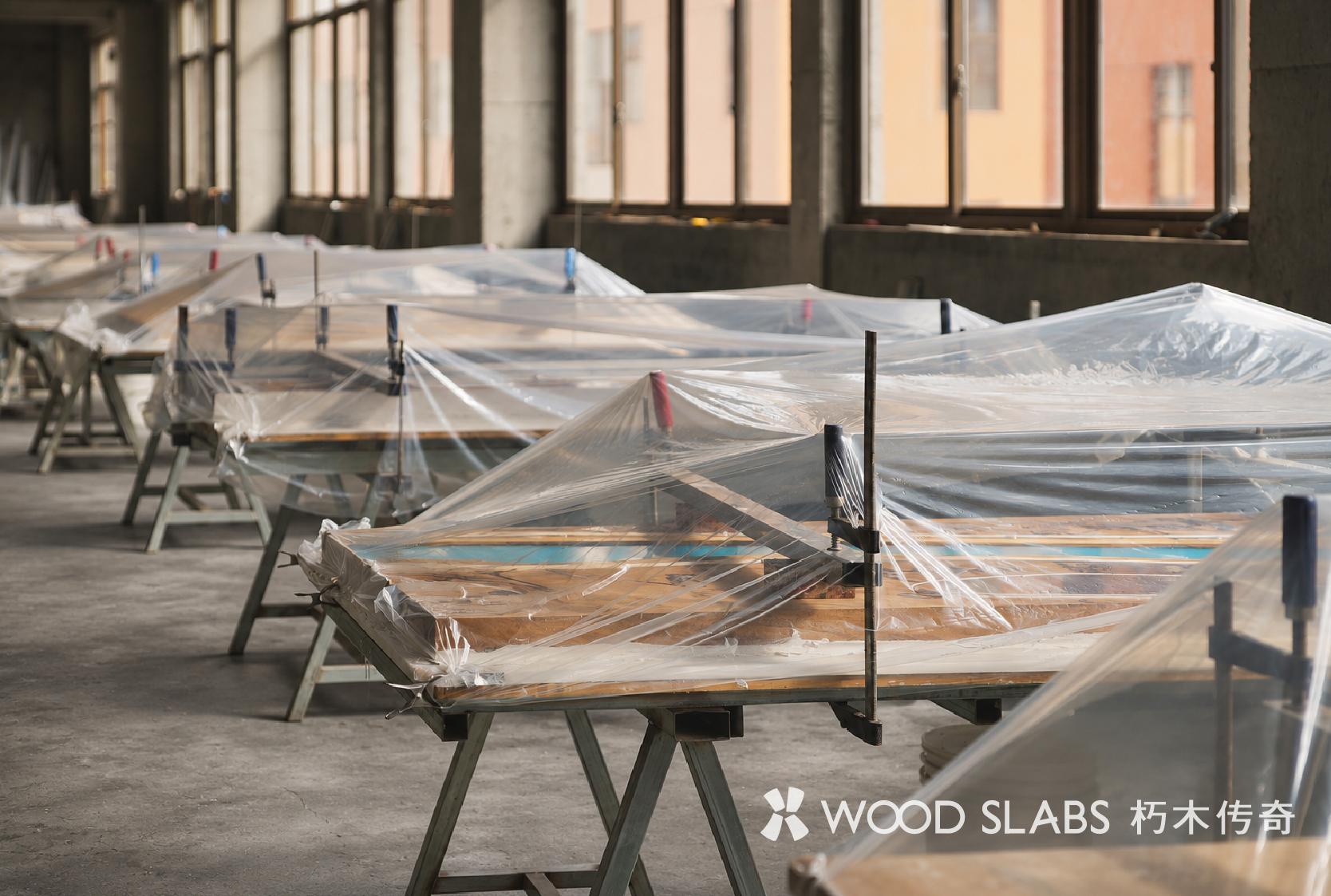
More Environmentally Friendly Surface Finishes
We prioritize water-based coatings and imported plant-based wood oils, preserving the natural character of wood while ensuring safe use and environmental consideration.
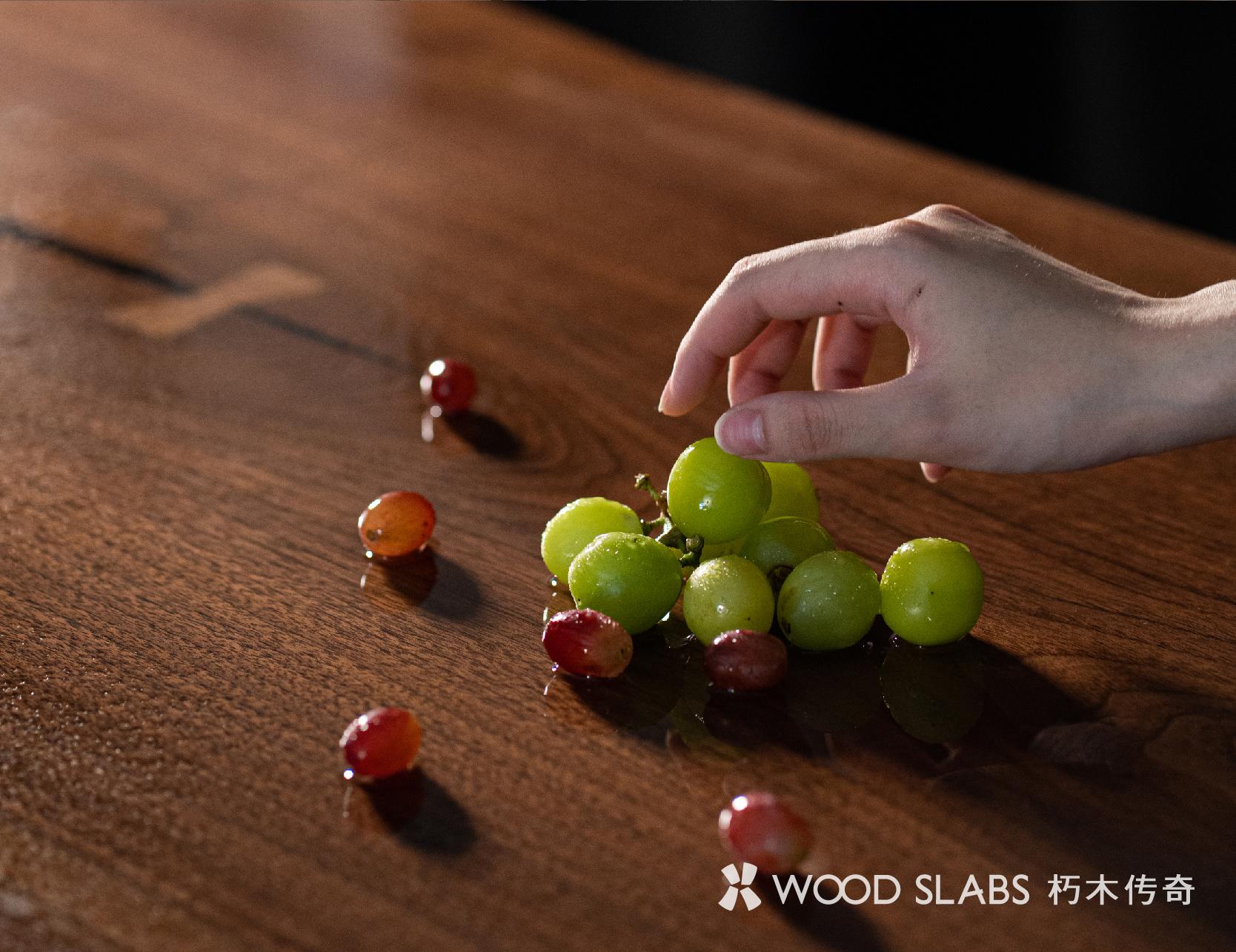
Sorting and Redesigning Remnants
Sort and preserve leftover wood from the production process, reusing it in furniture patches, decorative components, wood collage art, and other applications.
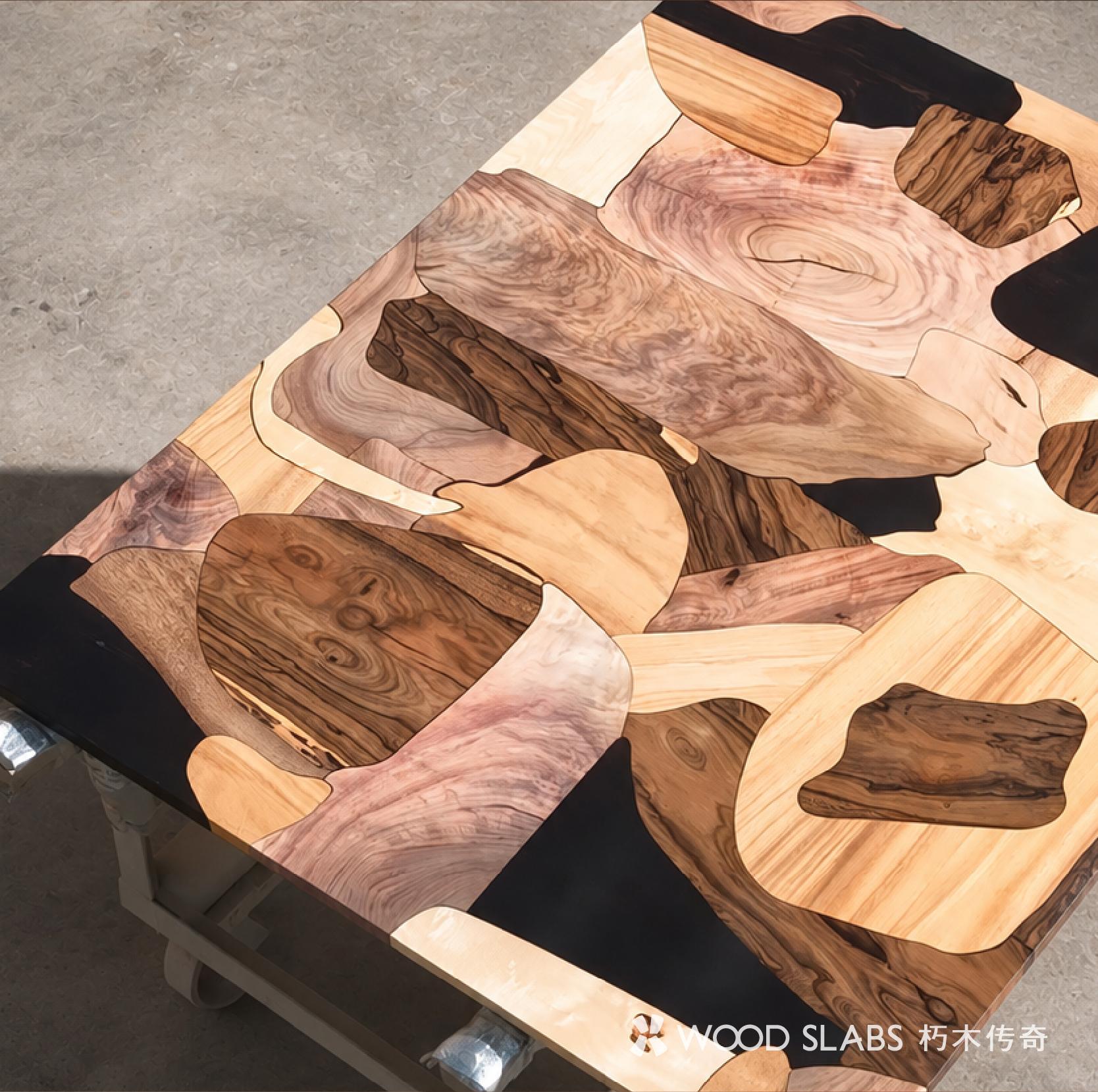
Extending Product Lifespans
Improve product durability and repairability through structure, craftsmanship and maintenance, enabling furniture to remain in use for the long term.
Continuous Improvement
Sustainability is not a one-time result. We will continue to review materials, production processes, packaging, transportation and product maintenance in search of more thoughtful ways to improve.
We cannot make a tree grow forever, but we can decide whether it will continue to be cherished after it falls.
From a tree in the forest to a piece of furniture in daily life, a material travels across a vast span of time. WOOD SLABS assumes responsibility for its part in that journey: respecting the material’s origins, understanding its form, using it with care, and allowing it to endure in a longer-lasting way.
We believe sustainability does not require sacrificing beauty or compromising quality. On the contrary, true sustainability means creating works worth preserving—with less waste, over a longer span of time, and in a more responsible way.